Managing money wisely is no longer optional; it has become a survival skill. For today’s young adults, the world of Gen Z Finance is shaped by digital payments, rising living costs, and an abundance of financial advice from influencers. But behind all the noise lies one simple truth: the earlier you understand money, the stronger your future becomes. This guide will help you build smart financial habits, explore essential money books, and take control of your financial journey with clarity and confidence.
Why Gen Z Finance Skills Matter Today
The New Money Landscape for Gen Z
Today’s financial world looks completely different from what previous generations experienced. Cash is disappearing, digital payments dominate, and inflation affects everything from a cup of coffee to college fees. For young adults stepping into financial independence, understanding Gen Z Finance has become essential. With instant UPI payments, buy-now-pay-later trends, and social media money advice, learning how money really works helps you avoid quick traps and make informed decisions.
Common Financial Challenges Young Adults Face
Despite earning earlier than ever, Gen Z faces unique financial hurdles. Rising education expenses, job uncertainty, lifestyle pressures, and the constant temptation of online shopping can quickly drain savings. Many young people struggle with budgeting simply because they never learned it in school. This is where building financial literacy not just earning becomes your biggest advantage. Exploring reliable resources, including Economics and Finance Books, can help you replace confusion with clarity.
Gen Z Finance Basics You Must Master
Budgeting: The Foundation of Every Money Decision
Every financial journey begins with one powerful habit: budgeting. Without a clear plan for where your money goes, even a good income can disappear quickly. Budgeting helps you understand your spending patterns, control impulses, and start saving with purpose. In the world of Gen Z Finance, where online shopping and instant payments make overspending easy, a simple budget becomes your strongest shield.
Zero-Based Budgeting Made Simple
Zero-based budgeting means assigning every rupee a job. Whether it’s bills, savings, hobbies, or investments, your money must be accounted for. This method helps you stay intentional and avoid wasting money on impulse purchases.
The 50-30-20 Rule for Beginners
If zero-based budgeting feels too strict, the 50-30-20 rule is the perfect beginner-friendly alternative:
- 50% for needs
- 30% for wants
- 20% for savings and investments
This simple ratio ensures balance without overworking your mind.
Tools and Apps Gen Z Loves
There are plenty of apps that make budgeting fun and easy—Mint, Moneyfy, Walnut, and Notion templates. These tools track your spending automatically so you always know where your money goes. Pairing these apps with Economics and Finance Books helps build both digital and mental money discipline.
Saving Strategies Gen Z Should Start Early
Emergency Fund Essentials
Life is unpredictable, and that’s exactly why every young adult needs an emergency fund. Whether it’s a sudden medical bill, job loss, or any unexpected expense, a safety cushion keeps you financially stable. For Gen Z, starting early means you can build this fund slowly without pressure. Ideally, aim for 3 to 6 months of basic expenses set aside in a separate savings account.
How Much Should You Save in Your Teens and 20s?
You don’t need a big salary to begin saving. Even ₹500–₹2,000 a month can make a huge difference over time. The key is consistency. Saving becomes a natural habit when you start small but never stop. As your income grows, your savings can grow with it.
Automating Your Savings for Discipline
Automation is the secret weapon of smart savers. Set up a monthly auto-transfer from your main account to your savings or investment account. This removes the temptation to spend the money and makes saving effortless. Automation is especially helpful in Gen Z Finance, where impulsive spending is common due to quick digital payments.
Smart Spending Habits for a Better Future
Distinguishing Needs vs. Wants
One of the biggest challenges in Gen Z Finance is learning to separate what you need from what you simply want. You need help with your life functions, food, transport, and rent, while wants often come from trends, ads, or emotional impulses. Once you begin identifying the difference, your spending becomes intentional instead of accidental.
The Psychology Behind Spending
Every swipe, every UPI payment, every online order is influenced by emotion. Stress, boredom, peer pressure, FOMO, these feelings silently push Gen Z toward unnecessary purchases. Understanding your emotional triggers helps you take control. A simple pause before buying (“Do I really need this?”) can save thousands every year.
How Digital Payments Influence Overspending
Digital money feels invisible, which makes overspending far easier. Gen Z often loses track of where their money goes because payments happen instantly. To fix this, regularly check your monthly statements or app-generated spending reports. Awareness alone can cut unnecessary spending by 20–30%.
Investing Tips Every Gen Z Should Know
Why Investing Early Matters
If there’s one superpower Gen Z holds, it’s time. Starting early, even with a small amount, allows your money to grow through compounding. In simple terms, compounding means your money earns returns, and those returns start earning even more returns. This is one of the strongest pillars of Gen Z Finance, and the earlier you begin, the greater your long-term wealth.
Compounding Explained with Simple Examples
Imagine investing just ₹1,000 a month at a 12% return. Over 20 years, it has become more than ₹10 lakh. The same amount invested for 30 years becomes over ₹35 lakh.
The earlier you start, the more your money works for you.
Best Beginner-Friendly Investment Options
You don’t need to jump straight into stocks. Begin with safe, simple investment tools:
- SIPs in Mutual Funds – Great for consistent, long-term growth
- Index Funds – Low-cost, low-risk, ideal for beginners
- Recurring Deposits (RDs) – Good for disciplined savers
- PPF – A stable long-term savings option with tax benefits
Each of these options helps build financial discipline without overwhelming you.
Investing Through SIPs and Index Funds
SIPs (Systematic Investment Plans) are perfect for Gen Z because they let you invest small amounts monthly. Index funds, on the other hand, mimic stock market indexes like the Nifty 50. They are low-cost and beginner-friendly, making them ideal for first-time investors who want steady, long-term returns.
Tip: Learn more with Economics Books for Students and trusted financial guides to strengthen your decisions.
Top Books Gen Z Should Read to Master Money
Books are still the strongest tools for building financial intelligence, especially for young adults who want to develop long-term money skills. Whether you’re starting your financial journey or aiming to grow your understanding of business, economics, and wealth creation, these titles offer timeless guidance. Exploring these Economics and Finance Books can help Gen Z build clarity, discipline, and confidence.
Best Business Books for Beginners
These books simplify money, business fundamentals, and smart decision-making for young readers:
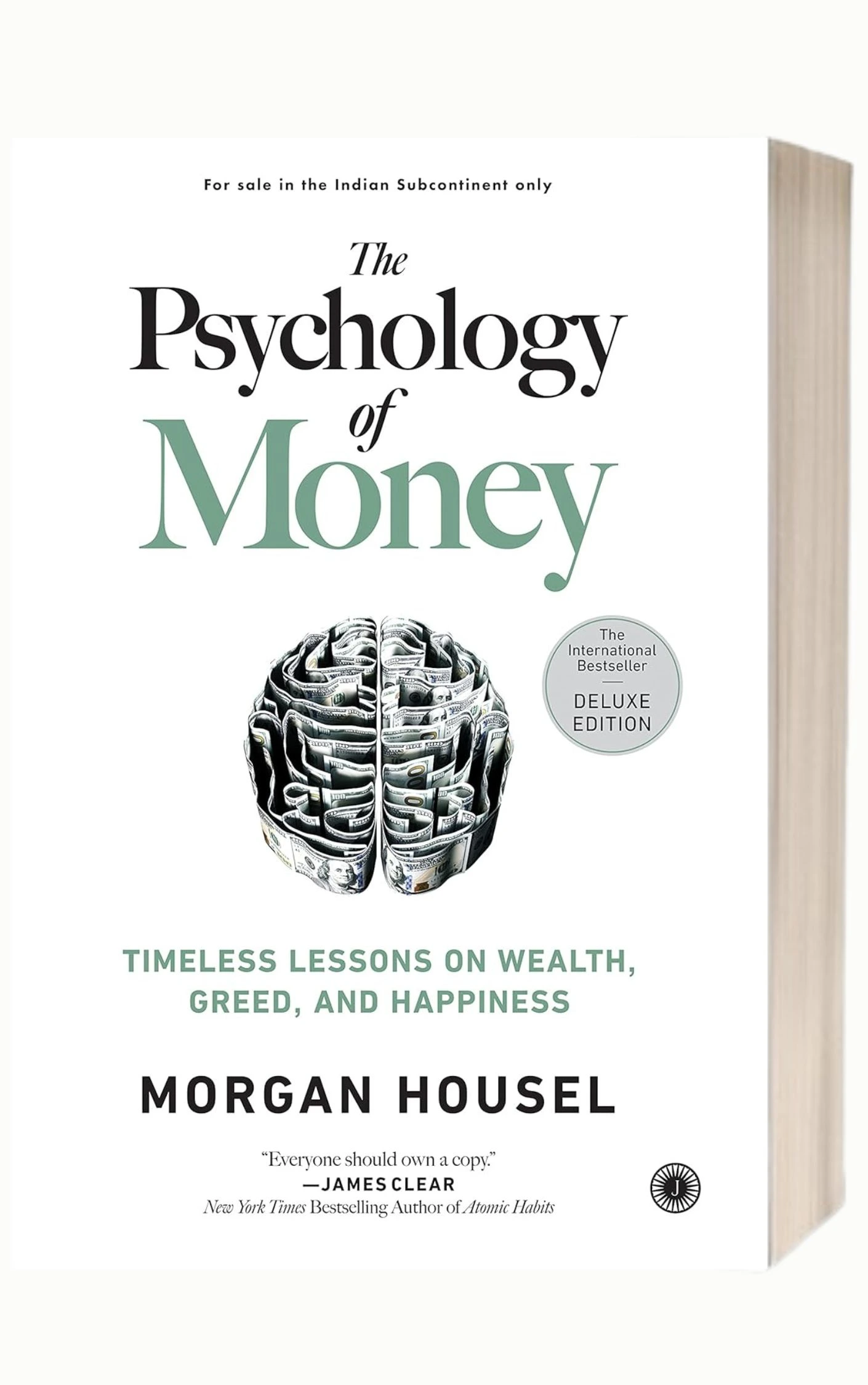
1. The Psychology of Money by Morgan Housel
If you’ve ever wondered why people make the money choices they do, this book will completely change your perspective. The Psychology of Money is a brilliant blend of storytelling, financial wisdom, and human behavior, making it one of the most readable and relatable finance books for young adults today. Instead of overwhelming you with numbers, Morgan Housel uses real-life examples to show how emotions, habits, and mindset shape our financial future far more than income or intelligence ever can.
For Gen Z stepping into the world of Gen Z Finance, this book is a game-changer. It teaches you how to think about wealth, why patience beats talent, and how small decisions you make today can impact decades of your life. Every chapter feels like a gentle wake-up call wrapped in comforting wisdom.
Whether you’re new to money management, struggling with savings, or trying to break free from impulsive spending, this book gives you clarity without judgment. A must-read for anyone exploring Economics and Finance Books, and absolutely perfect for those searching for Best Business Books for Beginners or Must-Read Business Guides.
2. Rich Dad Poor Dad by Robert T. Kiyosaki
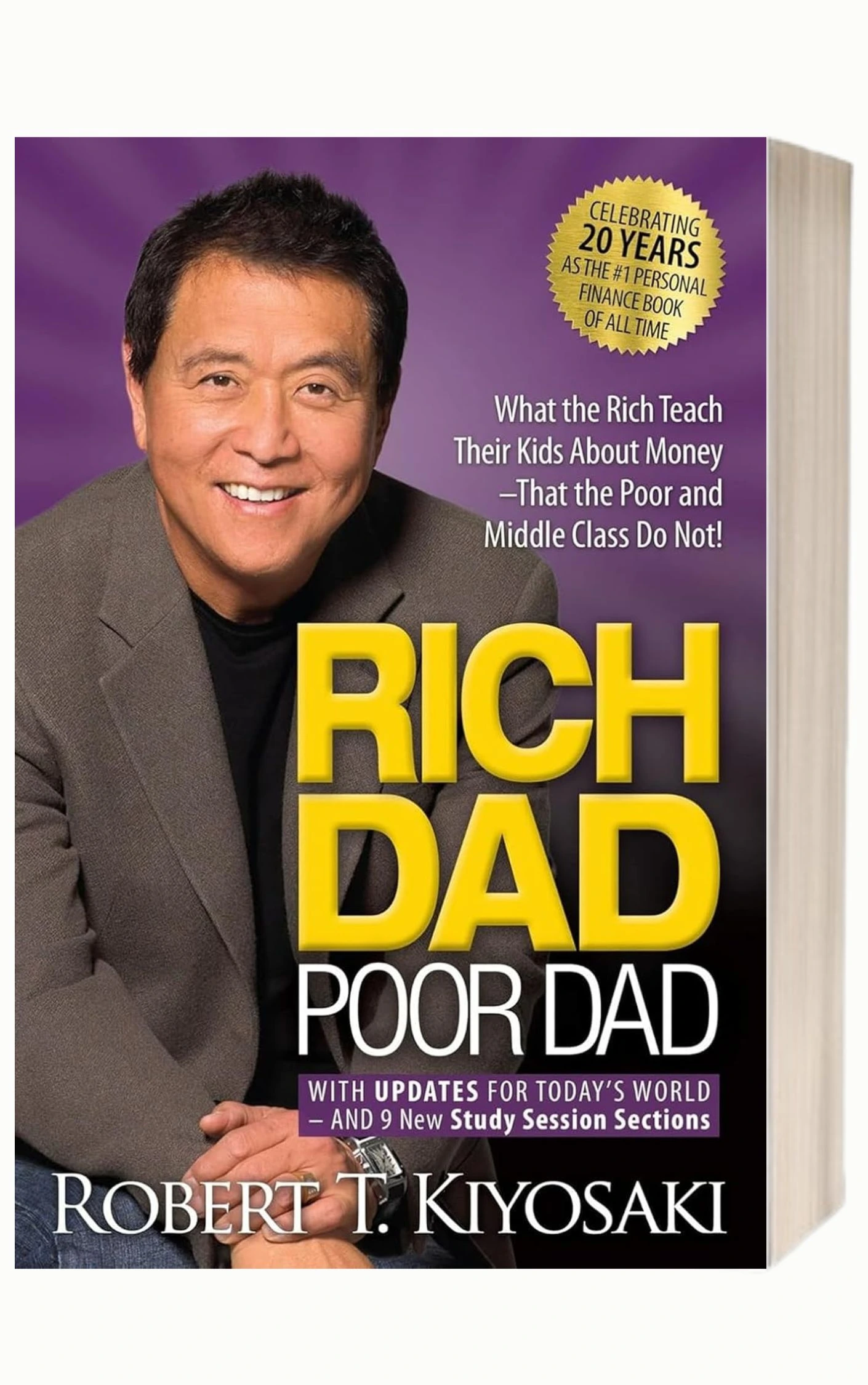
If you’re looking for a mindset shift that challenges everything you were taught about money, Rich Dad Poor Dad is the perfect starting point. Kiyosaki contrasts the lessons of his highly educated but financially struggling “Poor Dad” with the street-smart financial wisdom of his “Rich Dad.”
This book breaks down wealth-building in simple language, assets vs. liabilities, financial freedom, and how money truly works. It’s eye-opening, motivating, and one of the Best Books for Entrepreneurs who want to reshape their relationship with money.
Whether you’re just starting or rethinking your financial path, this book lays a powerful foundation.
3. Atomic Habits by James Clear
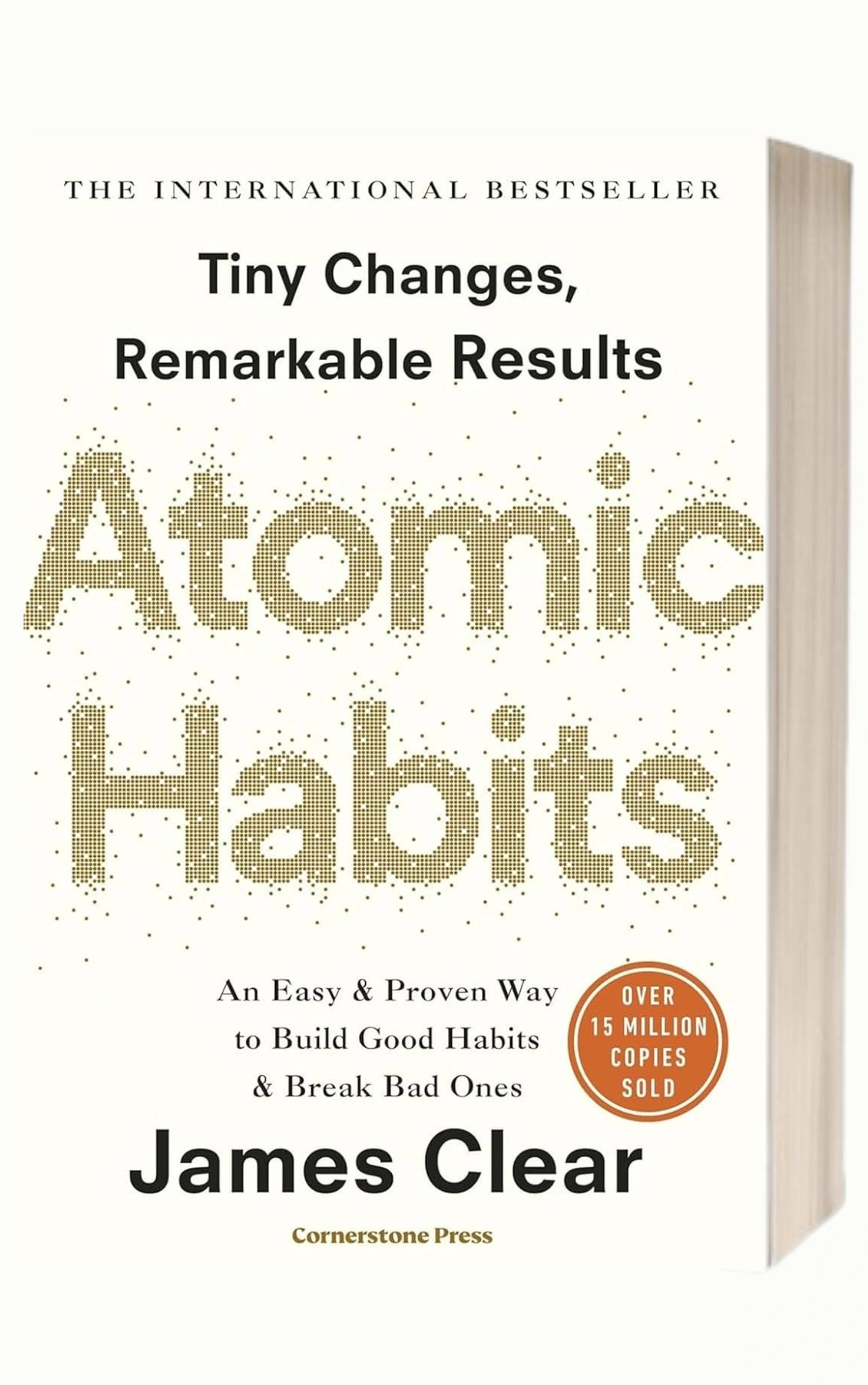
If you’re tired of big promises and failed resolutions, Atomic Habits is your game changer. James Clear explains how tiny, consistent changes compound into massive results over time.
With practical strategies, easy-to-follow frameworks, and inspiring examples, this book teaches you how to build good habits, break destructive ones, and design a lifestyle that supports success.
It’s hands down one of the Top Productivity Books and a must-read for entrepreneurs who want sustainable growth in work and life. Small steps, big transformations—this book proves it.
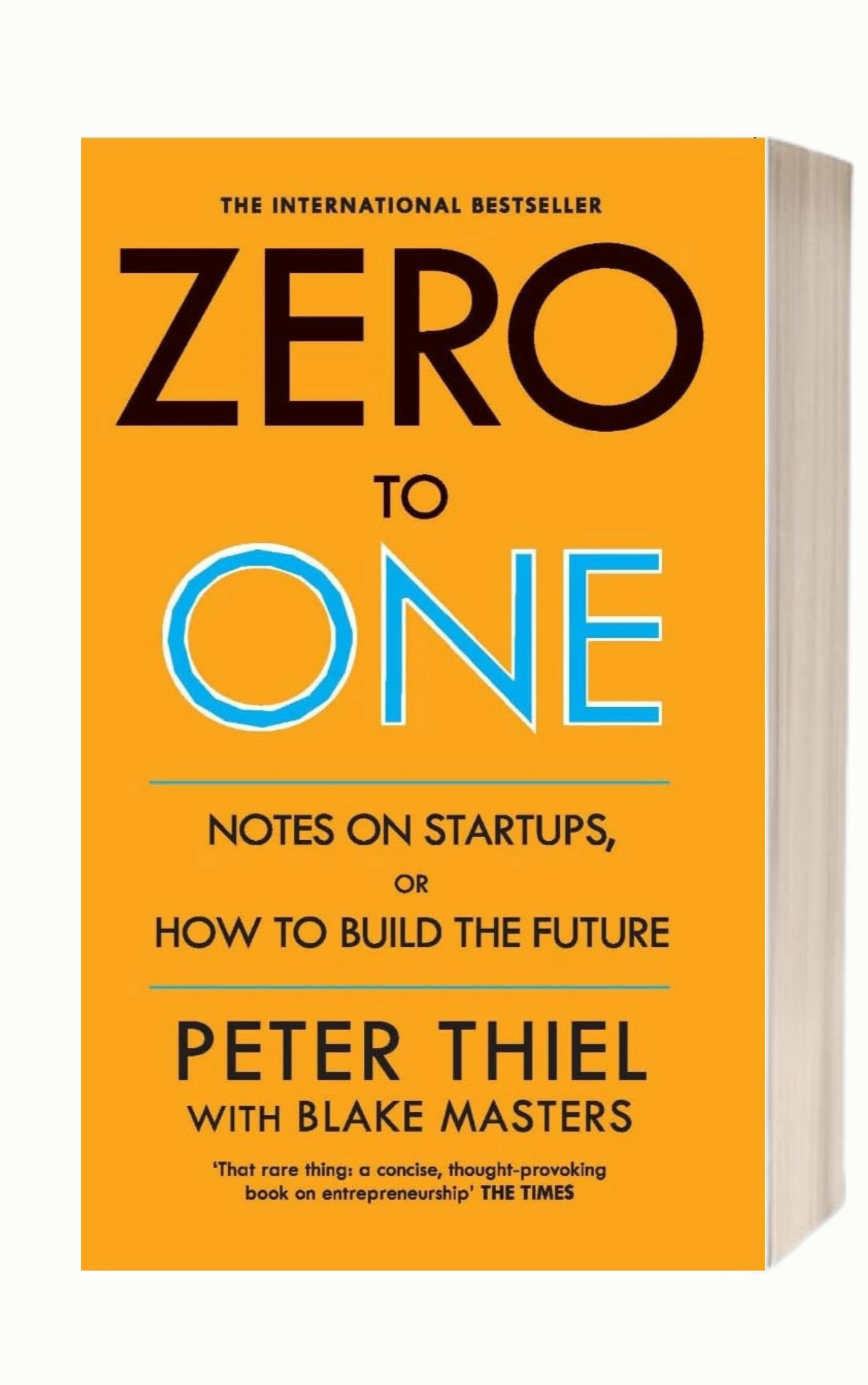
4. Zero to One by Peter Thiel
Some books teach you how to run a business. This one teaches you how to build something the world has never seen.
Zero to One is a sharp, thought-provoking guide that challenges you to think differently, innovate boldly, and create revolutionary ideas instead of copying existing ones.
Thiel dives deep into what makes startups succeed: monopolies, technology, and unique value creation.
If you’re serious about entrepreneurship, this book is a gold mine of insights and one of the Must-Read Business Books of all time.
Must-Read Business Guides for Young Adults
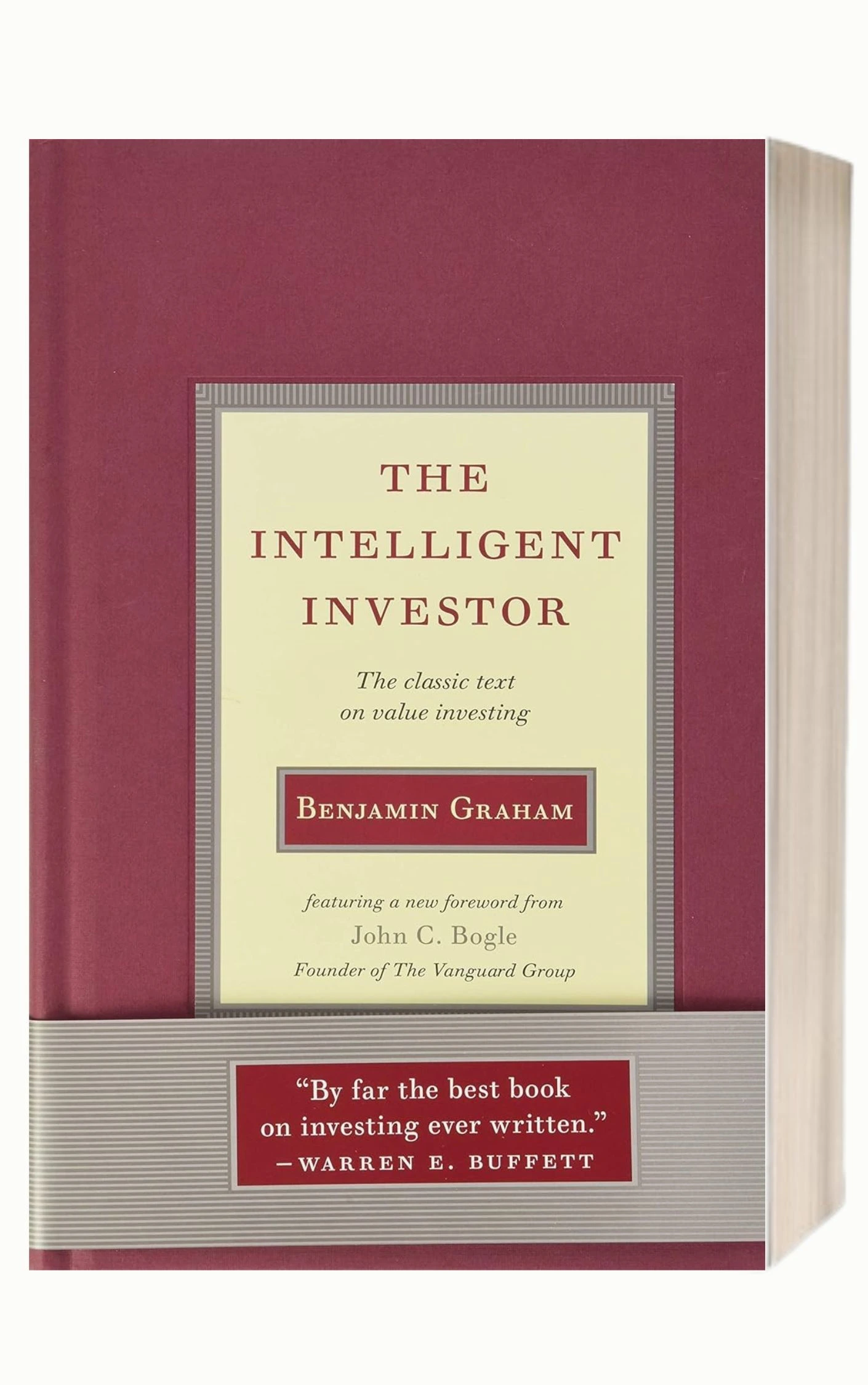
1. The Intelligent Investor by Benjamin Graham
Considered the Bible of Value Investing, The Intelligent Investor teaches the timeless principles behind smart, long-term wealth creation.
Graham explains how to think like an investor, avoid emotional decision-making, and protect your money through disciplined strategies.
While it’s more technical than other books on this list, its wisdom is unmatched. If you want to understand the stock market deeply beyond trends and hype, this is your ultimate guide.
A must for entrepreneurs building financial literacy and long-term assets.
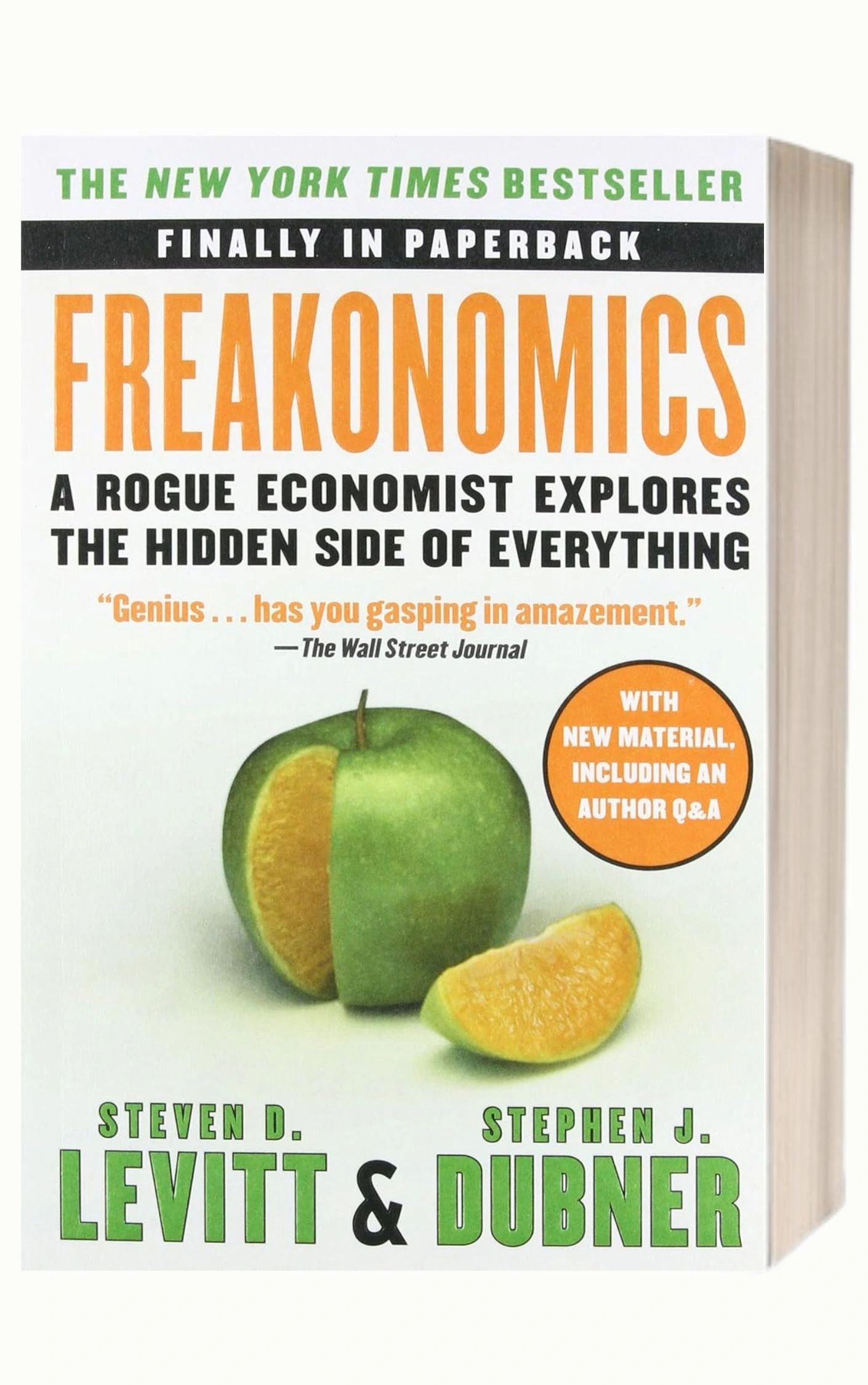
2. Freakonomics by Steven D. Levitt & Stephen J. Dubner
If you love unconventional thinking, Freakonomics will blow your mind. This book explores economic principles through unexpected topics crime rates, parenting myths, incentives, and human behavior.
It’s witty, fun, and endlessly fascinating, revealing how the world really works behind the scenes.
For entrepreneurs, this is a reminder that creative thinking and curiosity can spark breakthroughs in any field.
A refreshing, entertaining read that teaches you to look at problems from new angles.
3. The Millionaire Next Door by Thomas J. Stanley & William D. Danko
Forget the flashy millionaire stereotype, this book reveals the truth. Most millionaires live quietly, save consistently, invest wisely, and avoid lifestyle inflation.
The Millionaire Next Door dives into decades of research, uncovering the real habits of America’s wealthy.
For entrepreneurs and future investors, this book offers powerful lessons on discipline, frugality, and building lasting wealth without losing your peace of mind.
It’s practical, relatable, and one of the Best Personal Finance Books you’ll ever read.

Why These Books Matter for Gen Z Finance Growth
The earlier you build financial knowledge, the easier your journey becomes. These books offer clarity on money, decision-making, investing, and future planning skills that will serve you for decades. Pair them with practical action, and you’ll progress faster than most people your age.
Building Multiple Income Streams
Part-Time Jobs and Freelancing
Relying on one income source is risky in today’s world. Gen Z has the advantage of digital opportunities, freelancing, online tutoring, content creation, social media management, and more. Even a part-time job or project-based work can add a reliable second income. This helps you save more, invest earlier, and reduce financial stress.
Skills Gen Z Can Monetize
You don’t need a degree to start earning. You only need a skill people are willing to pay for. Some high-demand monetizable skills include:
- Graphic design
- Video editing
- Copywriting
- Blogging
- Web development
- Social media management
- Language tutoring
- UI/UX design
Developing even one skill can create a steady income stream. Strengthening your understanding with Must-Read Business Guides can help you scale these skills professionally.
Digital Side Hustles That Are Growing Fast
The internet is full of opportunities that support long-term earnings:
- Affiliate marketing
- Selling digital products
- Building a YouTube channel
- Dropshipping
- Running a niche blog
- Selling stock photos
- Freelance consulting
These side hustles may start small but can grow into significant income sources over time. Multiple income streams offer stability and give you the freedom to take bigger financial steps like investing, saving more, or starting a startup.
Money Mistakes Gen Z Must Avoid
Buying a Lifestyle Instead of Assets
One of the most common traps young adults fall into is spending money to “look successful” instead of actually building success. Trendy gadgets, fast fashion, frequent food deliveries, and impulse purchases drain savings quickly. In Gen Z Finance, the golden rule is simple:
Buy assets first, luxuries later.
Assets grow your wealth; liabilities drain it.
Not Saving for Taxes
Whether you freelance, run a side hustle, or earn from multiple sources, you must plan for taxes. Many young earners make the mistake of spending everything they earn and then panic during tax season. Set aside a small percentage of your income—10–20% depending on your earnings—to avoid last-minute stress.
Blindly Following Influencers
Social media is full of money advice, but not all of it is accurate, safe, or suitable for beginners. Influencers often showcase lifestyle, not financial wisdom. Before taking advice on crypto, stocks, or quick-money schemes, always double-check the source. Trusting verified guides, experts, and Economics and Finance Books is far safer than following untested shortcuts.
Long-Term Gen Z Finance Planning
Financial Goals for Your 20s
Your 20s are the perfect decade to build strong financial roots. Even if your income is small now, the habits you build will shape your entire future. Long-term Gen Z Finance planning focuses on slow, steady, and disciplined growth rather than quick wins.
Short-Term Goals (0–2 Years)
- Build an emergency fund
- Start a basic SIP
- Create a clear monthly budget
- Pay off small debts
- Learn foundational money concepts through books
Why Short-Term Goals Matter
Short-term goals create momentum and confidence. They show you that financial growth is possible even with small steps.
Mid-Term Goals (2–5 Years)
- Invest in index funds
- Build skill-based income streams
- Increase savings percentage
- Start tracking net worth
- Avoid lifestyle inflation
The Real Benefit of Mid-Term Goals
They prepare you for bigger financial responsibilities education, moving cities, buying a vehicle, etc.
Long-Term Goals (5+ Years)
- Retirement planning (yes, even in your 20s!)
- High-value investments
- Down payment for a home
- Building a strong financial portfolio
- Setting up multiple passive income streams
Why Long-Term Goals Matter
They give your financial journey direction and purpose. With planning, even huge dreams become achievable.
Tools to Track Your Net Worth and Spending
Use digital tools like:
- Google Sheets
- Notion finance dashboards
- Walnut / Moneyfy
- Dedicated net-worth trackers
These tools help you understand how your money grows over months and years, making long-term planning easier and more structured.
About Heartsaysalot
Let’s Connect with Heartsaysalot
Welcome to Heartsaysalot a space where books, poetry, and emotions find a home.
Here, every word holds a heartbeat, every story stirs a feeling, and every poem speaks to the soul.
Whether you’re here to explore heartfelt writings, discover new reads, or simply find comfort in words that understand, you’re in the right place.
Let’s share stories, connect through emotions, and celebrate the beauty of books and expression.

Final Thoughts: Your Journey to Financial Freedom Starts Now
Why Starting Today Makes All the Difference
Financial success isn’t about how much you earn; it’s about how early and how consistently you begin. The world of Gen Z Finance rewards young adults who build smart habits, read the right books, and take responsibility for their money choices. Every small step, saving ₹500, starting a SIP, cutting unnecessary expenses—moves you closer to long-term freedom.
How Books, Learning & Consistency Build Wealth
Money grows with knowledge. The more you understand business, economics, and financial behavior, the better decisions you make. That’s why reading Best Business Books for Beginners strengthens your financial foundation. Your habits create your future, and your learning sharpens your direction.
Take Action Today
You don’t need to have everything figured out. You just need to start. Begin with one habit: budgeting, saving, or investing, and stay consistent. Your future self will thank you.
FAQs – Personal Finance Tips for Gen Z
What Is the Best Age to Start Investing for Gen Z?
The best age to start investing is as early as possible, even at 18. Early investing gives you the advantage of compounding, allowing small amounts to grow significantly over decades. You don’t need a big income to start; even ₹500–₹1,000 per month in an SIP is a great beginning.
How Much Should Gen Z Save From Their Salary?
Ideally, try to save 20–30% of your income in your 20s. If that feels difficult, begin with 5–10% and increase gradually. The habit is more important than the amount in the beginning.
What Is the Biggest Financial Mistake Gen Z Makes?
The most common mistake is living a lifestyle they cannot afford—buying gadgets, fashion, food subscriptions, or travel using credit or EMIs. This leads to debt and poor saving habits. Staying mindful of needs vs. wants is essential.
Should Gen Z Use Credit Cards?
Yes, but only with discipline. Credit cards can build your credit score and offer rewards, but mismanagement can lead to debt. Pay your bills in full every month, avoid cash withdrawals, and use credit only for controlled spending.
Which Investment Is Best for Gen Z Beginners?
Begin with safe and simple investments like:
- SIPs in mutual funds
- Index funds
- Recurring deposits
- PPF
These options are beginner-friendly and help build long-term financial discipline without high risk.
How Can Gen Z Avoid Overspending Online?
Try these habits:
- Limit shopping app notifications
- Use a 24-hour rule before buying non-essentials
- Track spending weekly
- Set limits on UPI payments or digital wallets
These small practices reduce impulsive purchases.
What Are the Best Side Hustles for Gen Z?
Some of the most popular and profitable side hustles include:
- Freelancing (writing, design, editing)
- Social media management
- Affiliate marketing
- Selling digital products
- YouTube or podcasting
- Tutoring or teaching languages
These help you build multiple income streams with minimal investment.
Why Should Gen Z Read Finance and Business Books?
Books offer timeless, structured, and reliable knowledge—something social media cannot guarantee. Reading Economics and Finance Books helps Gen Z understand money psychology, investing basics, economic systems, and business thinking, leading to smarter financial decisions.
How Can Gen Z Build a Good Credit Score?
To build a strong credit score:
- Pay credit card bills on time
- Keep credit utilization below 30%
- Avoid unnecessary loans
- Maintain long-term credit accounts
A good score helps you get better loan rates and financial opportunities in the future.
What Financial Skills Should Every Gen Z Learn?
The essential skills include:
- Budgeting
- Saving and emergency planning
- Basic investing
- Tax planning
- Understanding credit and loans
- Reading financial statements
- Long-term wealth building
These form the foundation of lifelong financial stability.
How Can Gen Z Start Building Wealth With a Low Income?
Wealth starts with habits, not income. Even on a low salary, you can:
- Track spending
- Save small amounts consistently
- Invest through SIPs
- Build one monetizable skill
- Avoid lifestyle inflation
These simple steps slowly build wealth no matter your income.
Is It Better for Gen Z to Focus on Saving or Investing?
Both are important—but the priority depends on your situation:
- First, build an emergency fund
- Then start investing gradually
Saving protects you; investing grows you. You need both to build long-term financial security.