The future is not written in numbers alone.
It breathes in stories, rises through words, and lingers in the choices we imagine today.
Some books do not predict tomorrow; they warn it, mourn it, and hope for it.
Climate Fiction Books are redefining how we imagine tomorrow through stories that blend environmental reality with human emotion. As climate change moves from headlines into daily life, writers are turning to fiction to explore fear, hope, survival, and responsibility. These narratives don’t just predict the future; they ask us to feel it.
In this evolving world of poetry and books, storytelling becomes a powerful tool for awareness. Much like poetry communicates what facts cannot, climate fiction uses imagination to make global crises deeply personal. Through the power of words, these stories invite readers to reflect, question, and re-envision the future we are creating, one page at a time.
What Are Climate Fiction Books?
Climate Fiction Books often called Cli-Fi are stories rooted in the realities of climate change and environmental disruption. They imagine futures shaped by rising seas, failing ecosystems, extreme weather, and shifting human behavior. Unlike distant science fiction worlds, these stories feel unsettlingly close to home.
What makes climate fiction powerful is its emotional depth. These books focus not just on collapsing environments, but on people, families, communities, and individuals, trying to survive, adapt, or resist change. In doing so, they remind us that environmental crises are also human stories, best told through thoughtful writing principles and evocative narrative voices.
Climate Fiction vs Traditional Science Fiction
Traditional science fiction often explores distant planets, advanced technology, or imaginary worlds. Climate Fiction Books, however, stay grounded in Earth’s reality. The futures they imagine are not centuries away; they feel close enough to touch.
These stories rely on thoughtful writing principles and immersive writing style, focusing less on gadgets and more on consequences, emotions, and ethical choices.
Why Climate Fiction Books Matter Today
Climate Fiction Books matter because facts alone rarely change behavior stories do. While scientific reports inform us, fiction helps us feel the urgency. These books turn abstract data into lived experiences, making climate change personal rather than theoretical.
They encourage empathy, awareness, and responsibility. Readers begin to see how environmental decisions affect families, communities, and future generations. In many ways, climate fiction is activism through storytelling.
The Emotional Power of Climate Storytelling
Climate fiction resonates because it speaks to fear, grief, love, and hope. Much like emotional poetry and stories, these narratives allow readers to emotionally process environmental loss while imagining possibilities for change.
Top Climate Fiction Books You Must Read
Below are some of the most impactful Climate Fiction Books that shape how we think about the future, written in the same reader-friendly format you requested.
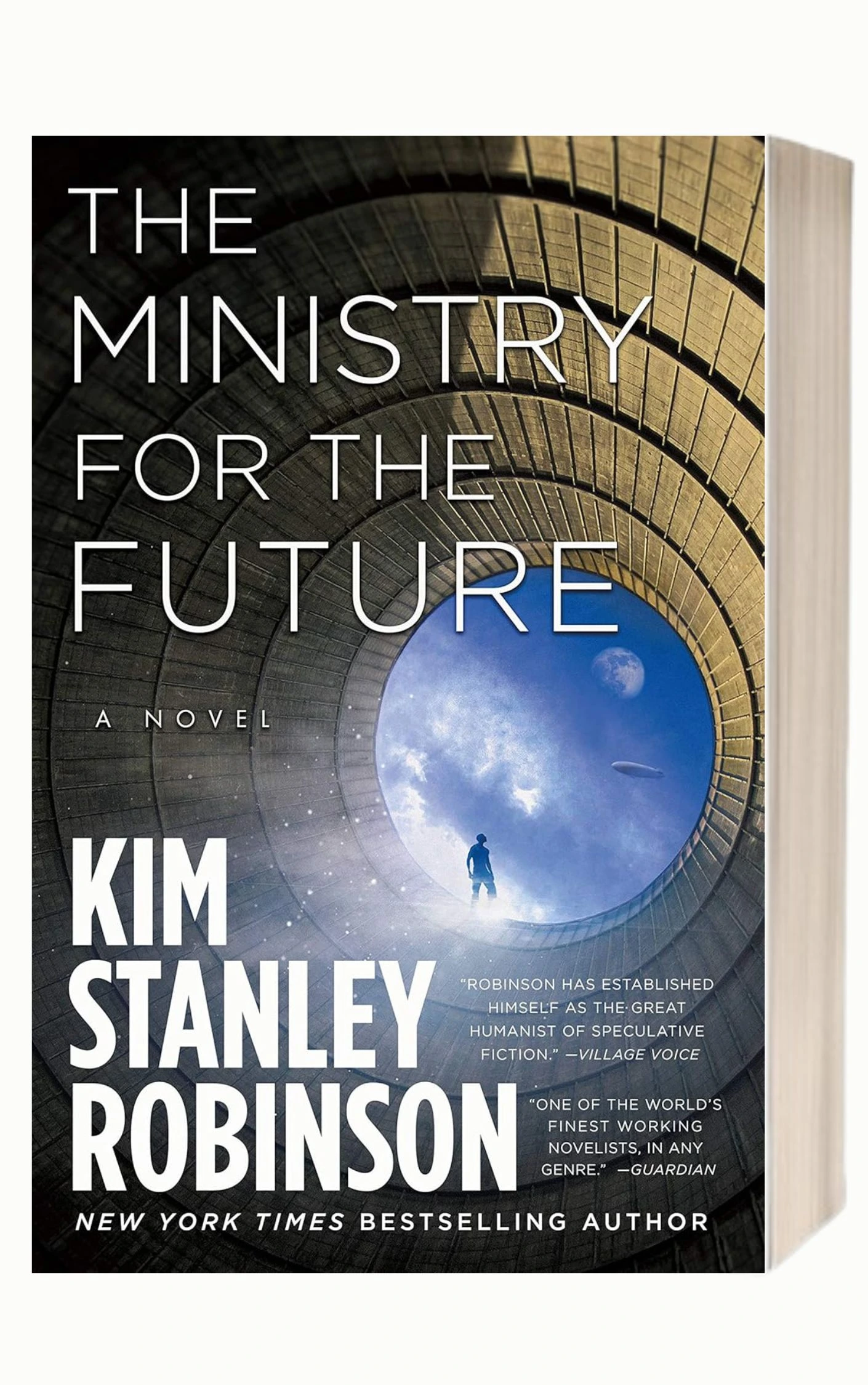
1. The Ministry for the Future by Kim Stanley Robinson
If you are looking for a deeply realistic and thought-provoking climate novel, The Ministry for the Future is an essential read. Robinson imagines a near future where governments, activists, and ordinary people struggle to prevent irreversible climate collapse.
The book blends fiction with real scientific ideas, economic models, and political systems, making it feel frighteningly possible. Rather than focusing on one hero, the story shows how collective human action or inaction can shape the fate of the planet.
This is one of the most influential Climate Fiction Books for readers who want to understand climate change beyond headlines and explore solutions through storytelling.
2. The Overstory by Richard Powers
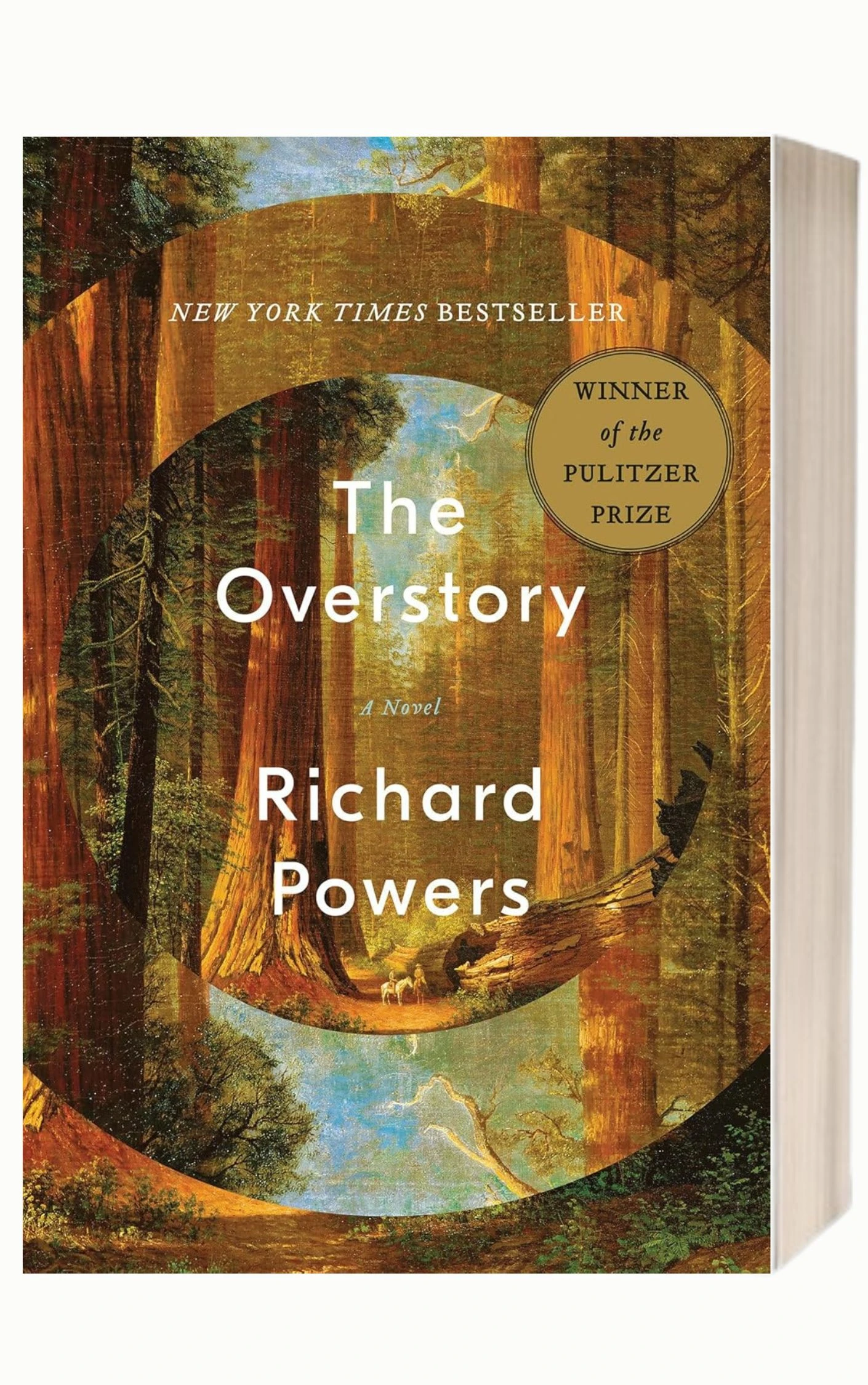
If nature itself could tell a story, it would sound like The Overstory. This novel weaves together the lives of multiple characters, all connected by trees and forests, showing how deeply human lives depend on the natural world.
Powers writes with poetic intensity, reminding readers that environmental destruction is not separate from human suffering. The book slowly reveals how small personal choices ripple into global consequences.
This novel is perfect for readers who believe that poetry communicates truth as powerfully as prose and want a story that stays with them long after the final page.
3. Oryx and Crake by Margaret Atwood
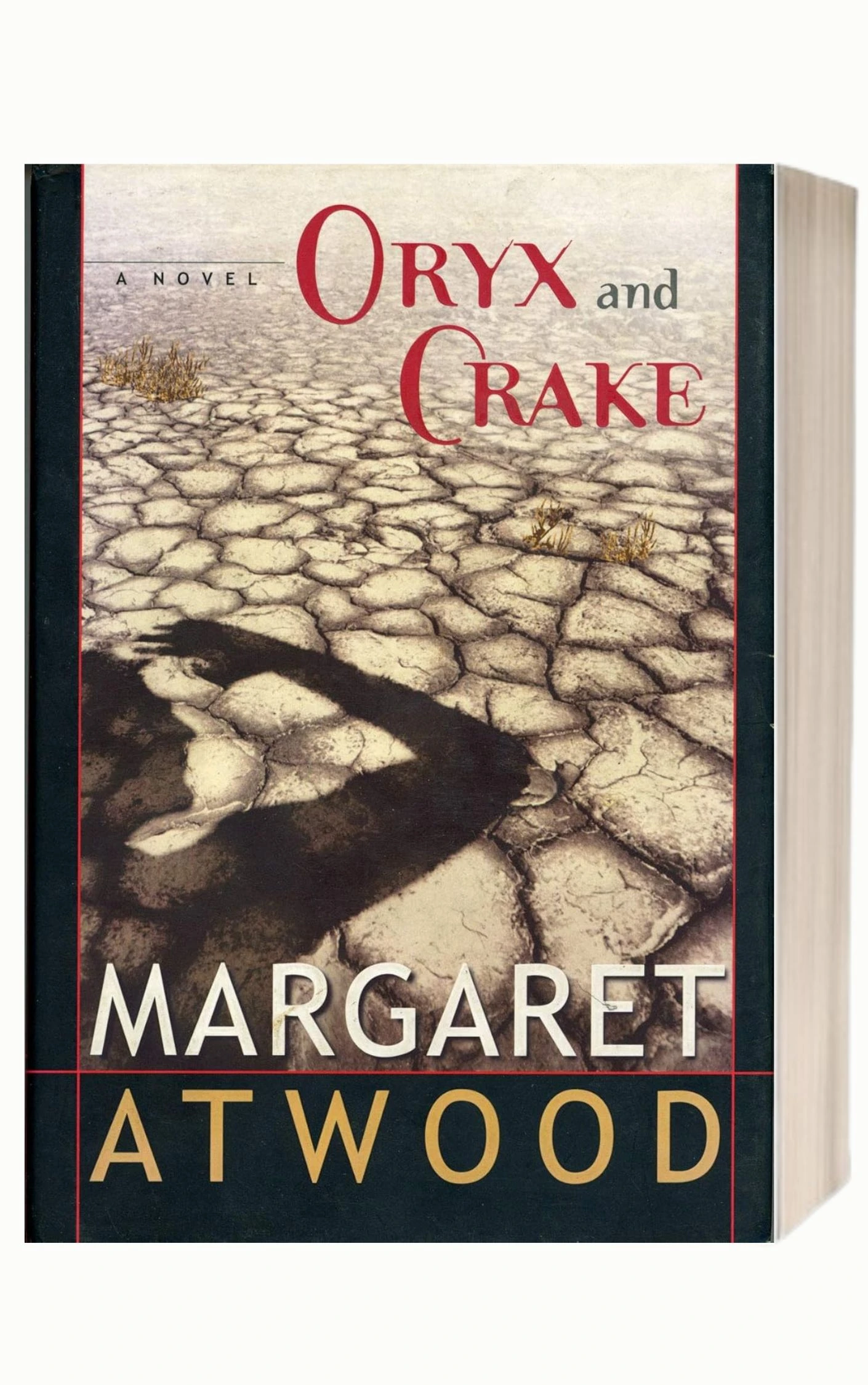
Oryx and Crake presents a haunting vision of a future shaped by genetic engineering, corporate greed, and environmental neglect. Atwood’s world feels surreal yet disturbingly familiar.
The novel explores how humanity’s obsession with progress can erase compassion, balance, and responsibility toward nature. It is a chilling reminder that climate disasters are often tied to moral and ethical failures.
This book stands as one of the most iconic Climate Fiction Books for readers who enjoy dystopian storytelling with deep philosophical layers.
Climate Fiction Books and the Power of Words
Climate Fiction Books prove that language can be a force for change. Through carefully chosen words, writers help readers imagine consequences before they become reality. This is where literature meets responsibility.
Just as let’s talk in rhymes celebrates emotional expression, climate fiction uses storytelling to awaken awareness, empathy, and action.
Inspiring New Writers Through Climate Fiction
Climate fiction is also inspiring a new generation of writers who want their words to matter. Many emerging voices are blending poetry, short stories, and fiction to explore environmental themes.
If you need a writing space to share your voice, platforms like Heartsaysalot offer a creative home where meaningful stories can be read, felt, and remembered.
Climate Fiction Books in the Indian Literary Landscape
Indian writers are increasingly exploring climate narratives rooted in local realities, monsoons, rivers, heatwaves, forests, and displacement. These stories reflect cultural memory and environmental urgency, adding powerful voices to global climate fiction.
As a best Indian poetry website, Heartsaysalot continues to support literature that connects emotion, culture, and environmental awareness.
About Heartsaysalot
Let’s Connect with Heartsaysalot
Welcome to Heartsaysalot, a space where books, poetry, and emotions find a home.
Here, every word holds a heartbeat, every story stirs a feeling, and every poem speaks to the soul.
Whether you’re here to explore heartfelt writings, discover new reads, or find comfort in words that understand, you’re in the right place.
Let’s share stories, connect through emotions, and celebrate the beauty of books and expression.

Reading the Future Through Climate Fiction Books
Climate Fiction Books are not just stories about the end of the world they are stories about choices. They remind us that the future is still unwritten and shaped by imagination, empathy, and action.
By reading, reflecting, and sharing these stories, we participate in a literary movement that believes words can change how we see the world and how we protect it.
FAQs About Climate Fiction Books
What are Climate Fiction Books?
Climate Fiction Books are stories that focus on climate change and its impact on people, nature, and society. They explore real environmental issues through fictional narratives, making complex topics easier to understand and emotionally relatable.
Why Should I Read Climate Fiction?
Climate Fiction Books help readers understand climate change on a personal level. Instead of statistics and reports, these books use storytelling to show how environmental changes affect everyday life, emotions, relationships, and future generations.
Are Climate Fiction Based on Real Science?
Yes, most Climate Fiction Books are inspired by real scientific research and environmental data. Authors often build their stories around current climate trends, making the imagined futures realistic and believable.
How are Climate Fiction Different from Science Fiction?
While science fiction often focuses on advanced technology or distant worlds, Climate Fiction Books stay grounded in Earth’s reality. They explore near-future scenarios based on existing environmental problems rather than imaginary technologies.