Multi-Generational Sagas are more than long family stories; they are emotional journeys through time. These powerful novels explore how traditions, trauma, love, and choices pass from one generation to the next, shaping identities in ways we rarely notice. From historical upheavals to quiet domestic moments, these stories remind us that family bonds are complex, fragile, and deeply human.
Because sometimes, to understand ourselves, we must first understand the generations that came before us.
Why Multi-Generational Sagas Feel So Personal
Multi-Generational Sagas don’t just tell stories, they reflect the emotional architecture of our own families. These novels stretch across decades, sometimes centuries, yet the feelings inside them are instantly familiar: sibling rivalry, parental expectations, generational misunderstandings, and unspoken love. Readers connect so deeply because these stories echo real-life family dynamics, only magnified through powerful storytelling.
Family as a Mirror of Society
Every family exists inside a larger world shaped by history, culture, politics, and social change. That’s why multi-generational sagas often feel bigger than one household. They show how wars, migration, economic struggles, and social norms influence not just individuals, but entire bloodlines.
A grandmother’s sacrifices, a parent’s fears, or a child’s rebellion often reflect the era they lived in. Through these layered narratives, readers begin to see how forces beyond personal choice may also shape their own family stories. It turns fiction into reflection and reflection into understanding.
The Emotional Weight of Legacy
We inherit more than eye color and last names. We inherit expectations, beliefs, traditions, and sometimes even emotional wounds. One of the reasons multi-generational sagas resonate so strongly is their honest portrayal of generational legacy, both beautiful and burdensome.
These stories explore:
- Dreams parents pass down to children
- Cultural traditions that bind families together
- Silence around pain that travels across generations
- The struggle between honoring the past and choosing a different future
Readers often recognize patterns from their own lives: repeated conflicts, similar love stories, or fears that seem older than they are. That recognition creates a powerful emotional experience, the kind only deep, character-driven storytelling can provide.
Top Multi-Generational Sagas You Must Read
The beauty of Multi-Generational Sagas lies in how they span time, showing how one decision, one love story, or one tragedy can echo through the decades. These novels are not just family tales; they are emotional histories.
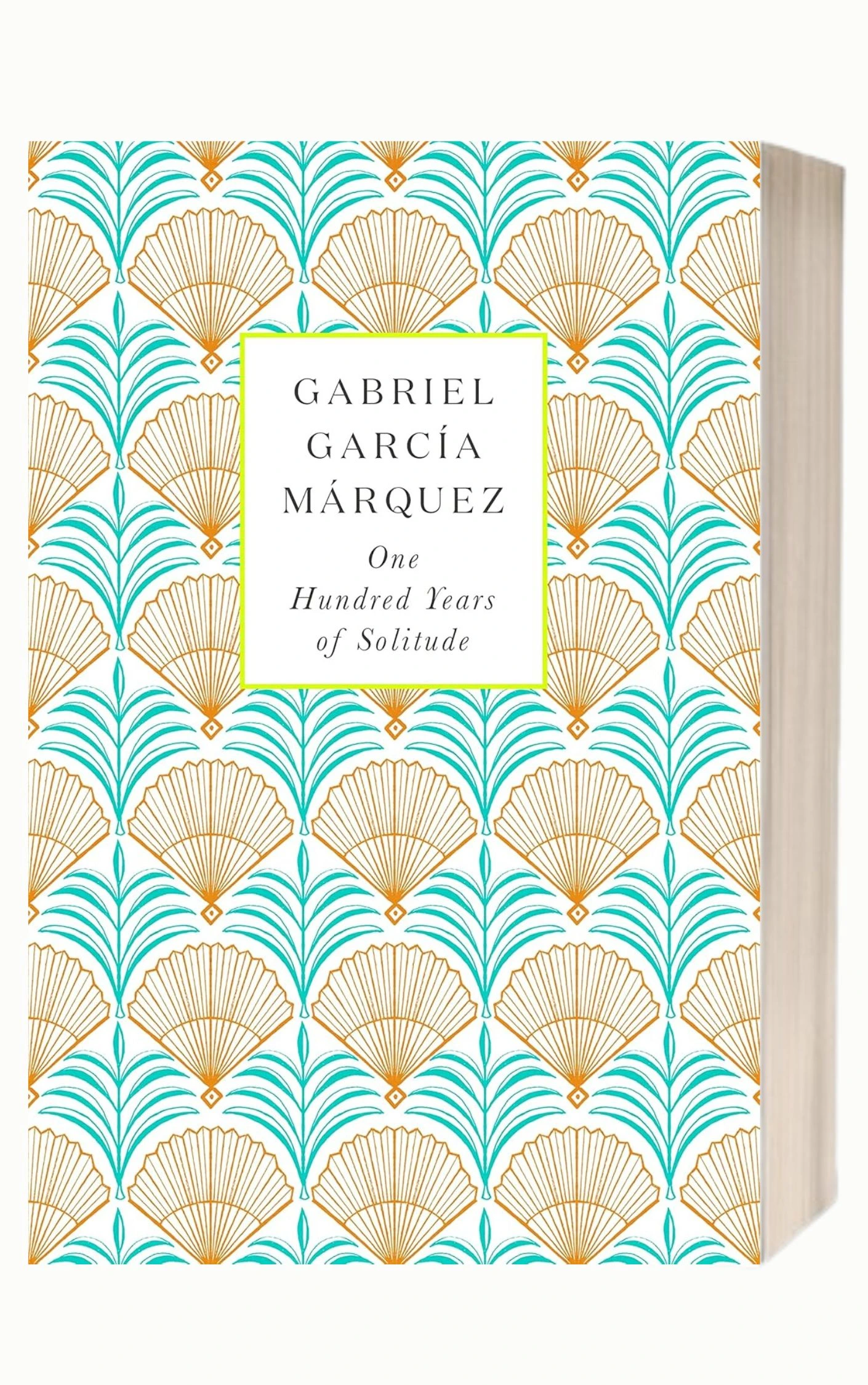
One Hundred Years of Solitude by Gabriel Garcia Marquez
A landmark in world literature, this novel follows the Buendia family across several generations in the fictional town of Macondo. Blending magical realism with political and social commentary, the story explores solitude, fate, and the repeating cycles within families. Each generation struggles with similar desires and failures, showing how history can feel destined to repeat itself.
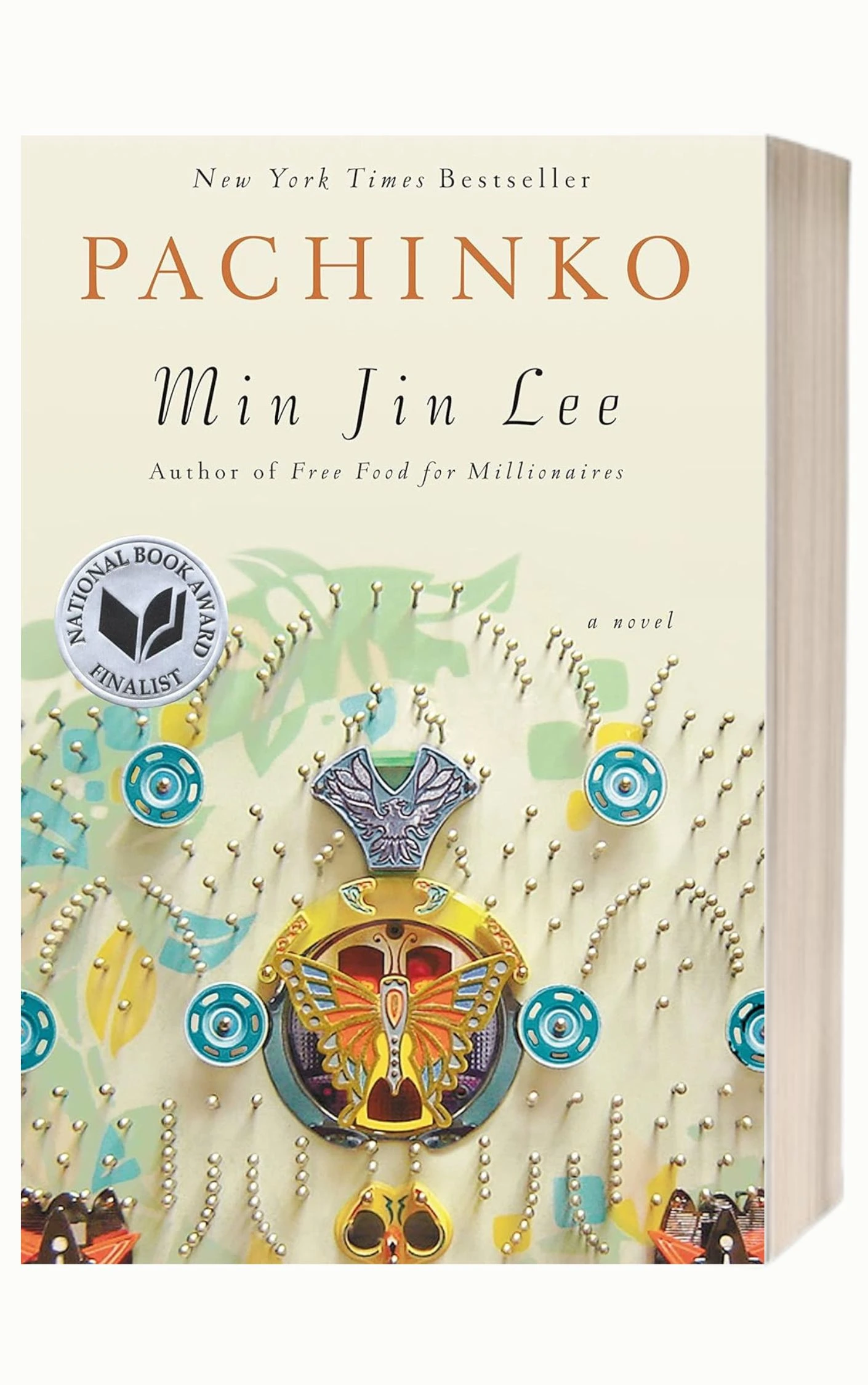
Pachinko by Min Jin Lee
Spanning four generations of a Korean family living in Japan, Pachinko is a powerful story of migration, discrimination, sacrifice, and survival. The characters face difficult choices shaped by cultural identity and historical forces, revealing how one woman’s decision alters the course of her descendants’ lives.
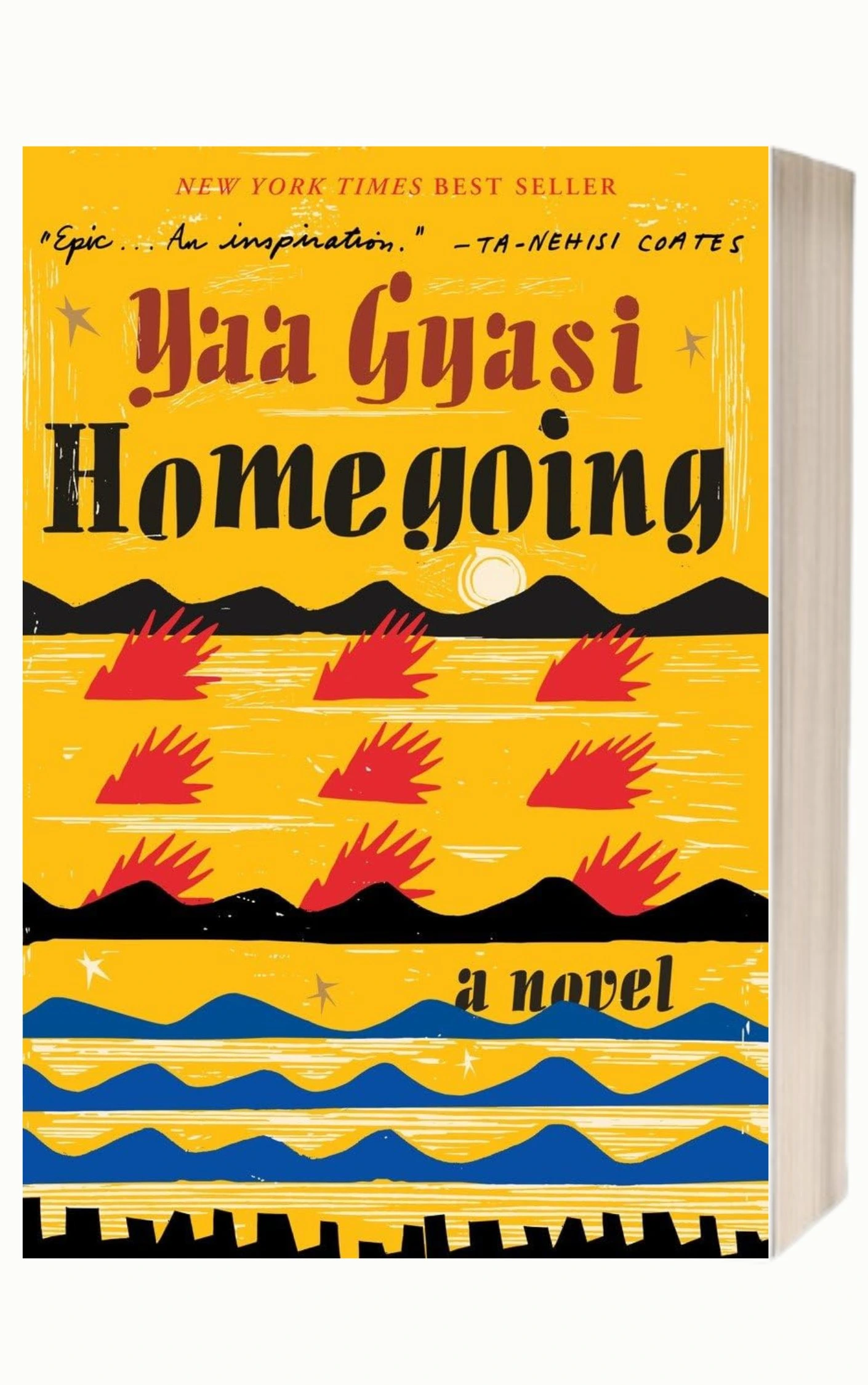
Homegoing by Yaa Gyasi
Spanning four generations of a Korean family living in Japan, Pachinko is a powerful story of migration, discrimination, sacrifice, and survival. The characters face difficult choices shaped by cultural identity and historical forces, revealing how one woman’s decision alters the course of her descendants’ lives.
How These Stories Change Our View of Family
Reading Multi-Generational Sagas shifts how we see family. Instead of viewing relatives as isolated individuals, we begin to understand them as products of time, culture, and inherited experience. These novels gently challenge the idea that family relationships are simple. They show us that love can exist alongside conflict, silence can hide deep care, and past wounds can shape present behavior.
By watching characters struggle with traditions, expectations, and personal desires, readers often gain a new perspective on their own family histories. Fiction becomes a lens through which real-life relationships start to make more sense.
Love Is Not Always Simple
One of the strongest messages in multi-generational sagas is that family love is rarely perfect. Parents may make mistakes out of fear. Children may rebel not out of hatred, but from a desire to be understood. Siblings may compete while still protecting one another in times of crisis.
These stories normalize emotional complexity. They show that broken communication, unresolved arguments, and generational gaps are not signs of failed families; they are part of being human. This realism helps readers feel less alone in their own family struggles.
We Inherit More Than Genes
Beyond physical resemblance, families pass down beliefs, emotional patterns, and unspoken rules. A fear of failure, a sense of duty, or even a tendency to avoid conflict can travel silently across generations.
Multi-Generational Sagas make these invisible inheritances visible. They help readers recognize how much of their identity may be shaped by stories that began long before they were born. And once we see those patterns, we gain the power to either carry them forward or gently break the cycle.
Cultural Identity in Multi-Generational Sagas
One of the most powerful aspects of Multi-Generational Sagas is how they explore identity through the lens of culture. Families are not only shaped by emotions but also by traditions, languages, histories, and social expectations. These novels reveal how culture lives inside households, passed down quietly through rituals, beliefs, food, values, and even silence.
As generations change, so does the meaning of identity. What once felt like tradition may begin to feel like pressure. What once seemed like rebellion may later be understood as growth. Through these stories, readers see how culture evolves within families over time.
Migration, Roots, and Belonging
Many multi-generational sagas center around families who move across borders, continents, or social classes. Migration introduces a powerful emotional tension: the desire to belong in a new place while holding on to one’s roots.
Grandparents may cling to homeland traditions, parents may try to balance two worlds, and children may struggle with identity altogether. These layered experiences show how belonging is not fixed but shaped by each generation’s journey. Readers who come from diverse or shifting backgrounds often find deep resonance here.
Tradition vs. Modern Thinking
Another recurring theme in Multi-Generational Sagas is the quiet clash between old values and new perspectives. Earlier generations may prioritize duty, reputation, or collective family honor. Younger members may seek independence, self-expression, or emotional openness.
This tension creates some of the most moving moments in family literature. It is not about right or wrong — it is about change. These novels help readers understand that every generation is responding to the world it inherits, even when that response causes conflict at home.
What Makes a Great Multi-Generational Saga?
Not every long novel becomes memorable. The most powerful Multi-Generational Sagas succeed because they do more than cover years — they connect hearts across time. These stories feel alive because each generation matters, each choice leaves a mark, and each emotional thread carries forward.
Here are the key elements that make these sweeping family stories unforgettable:
Strong Character Arcs Across Time
Great multi-generational sagas don’t just introduce many characters; they develop them deeply. We see how a hopeful child becomes a conflicted adult, or how a parent’s decision shapes a grandchild’s future. Characters grow, change, and sometimes repeat the mistakes of those before them.
The emotional payoff comes from witnessing transformation over time, not just events.
Historical or Social Backdrop
Time is not just a setting; it’s a force. Wars, migrations, political shifts, social expectations, and economic struggles all shape family destinies. The best sagas blend personal drama with larger historical or cultural changes, making the story feel grounded and meaningful.
This balance between private lives and public events gives the narrative weight and realism.
Emotional Continuity Between Generations
The heart of Multi-Generational Sagas lies in connection. A fear in one generation might become a conflict in the next. A dream left unfinished might be fulfilled years later by someone else in the family line.
These emotional echoes create a sense that lives are linked, not isolated, that every generation is part of a larger, ongoing story.
Final Thoughts on Multi-Generational Sagas
Multi-Generational Sagas stay with us because they remind us that no life exists in isolation. Every choice, sacrifice, love story, and loss becomes part of a larger family narrative that stretches beyond a single lifetime. These novels show that understanding the past can bring clarity to the present and sometimes even compassion.
By following families across time, readers begin to see their own histories differently. Conflicts gain context. Traditions gain meaning. Even silence begins to tell a story.
About Heartsaysalot
Let’s Connect with Heartsaysalot
Welcome to Heartsaysalot, a space where books, poetry, and emotions find a home.
Here, every word holds a heartbeat, every story stirs a feeling, and every poem speaks to the soul.
Whether you’re here to explore heartfelt writings, discover new reads, or find comfort in words that understand, you’re in the right place.
Let’s share stories, connect through emotions, and celebrate the beauty of books and expression.

Frequently Asked Questions About Multi-Generational Sagas
What Are Multi-Generational Sagas?
Multi-Generational Sagas are novels that follow the lives of a family across several generations. These stories explore how history, culture, love, conflict, and legacy shape family members over time, often revealing emotional and social patterns that repeat or evolve.
Why Are Multi-Generational Sagas So Popular?
These novels resonate because they reflect real-life family dynamics. Readers see familiar emotions, expectations, misunderstandings, sacrifices, and unconditional love portrayed with depth, helping them better understand their own family experiences.
Are Multi-Generational Sagas Based On Real History?
Many Multi-Generational Sagas are set against historical or cultural backdrops such as wars, migration, or social change. While the families may be fictional, the historical events often add realism and depth to the story.
Which Genres Include Multi-Generational Sagas?
This storytelling style appears in literary fiction, historical fiction, romance, cultural fiction, and even fantasy. The key feature is not the genre but the focus on family legacy across time.
What Themes Do Multi-Generational Sagas Usually Explore?
Common themes include legacy, identity, generational trauma, love, tradition versus change, migration, and the emotional bonds that connect family members despite conflict.
Who Should Read Multi-Generational Sagas?
These books are ideal for readers who enjoy character-driven stories, emotional depth, historical settings, and thoughtful explorations of relationships and human behavior.