Stories where nothing is certain, no one is reliable, and the biggest danger lives inside the human mind.
Psychological thriller books have taken modern reading culture by storm, pulling readers into worlds where perception is fragile and truth is constantly shifting. Unlike traditional thrillers driven by action, these stories explore fear, memory, obsession, and hidden motives, turning the human mind into the real battlefield. Every chapter builds quiet tension, every character hides something, and every ending leaves you questioning what you believed. If you love stories that linger long after the final page, this genre delivers suspense that is emotional, intelligent, and deeply unsettling.
What Makes Psychological Thriller Books So Addictive?
Psychological thriller books grip readers in a way few other genres can. Instead of relying on car chases or dramatic fight scenes, these stories dive deep into the fragile and complex workings of the human mind. The suspense builds quietly, pulling readers into emotional tension, moral uncertainty, and psychological conflict. Every page feels like a puzzle, and the deeper you go, the less stable the ground feels beneath the story. That unsettling feeling, not knowing what’s real, who to trust, or what’s coming next, is exactly what keeps readers hooked.
The Mind as the Battlefield
In psychological thriller books, the greatest conflict happens inside the characters rather than around them. Fear, guilt, trauma, obsession, and paranoia drive the plot forward. Readers don’t just watch events unfold they experience the mental unraveling alongside the characters. This inner turmoil creates a more personal and immersive form of suspense, where emotions are as dangerous as any external threat.
Unreliable Narrators
One of the most powerful tools in this genre is the unreliable narrator. These characters may lie, hide information, or genuinely misunderstand reality due to mental or emotional struggles. As a result, readers are forced to question everything they read. This constant doubt builds tension in a subtle but powerful way, making the story feel unpredictable and layered, a true showcase of strong writing style and clever storytelling techniques.
Slow-Burn Suspense
Psychological thrillers often avoid fast action in favor of slow-building tension. The danger doesn’t always come from dramatic events but from silence, pauses, and small details that feel slightly off. This gradual rise in unease keeps readers mentally engaged. Instead of adrenaline, the genre delivers emotional and intellectual suspense — the kind that lingers long after the book is closed.
Top Psychological Thriller Books That Redefine Suspense
Psychological thriller books stand out because they don’t just tell a story; they play with your perception. These novels blur truth and illusion, forcing readers to reassess what they think they know. The following titles are some of the most powerful examples of how deeply this genre can disturb, surprise, and emotionally engage readers.
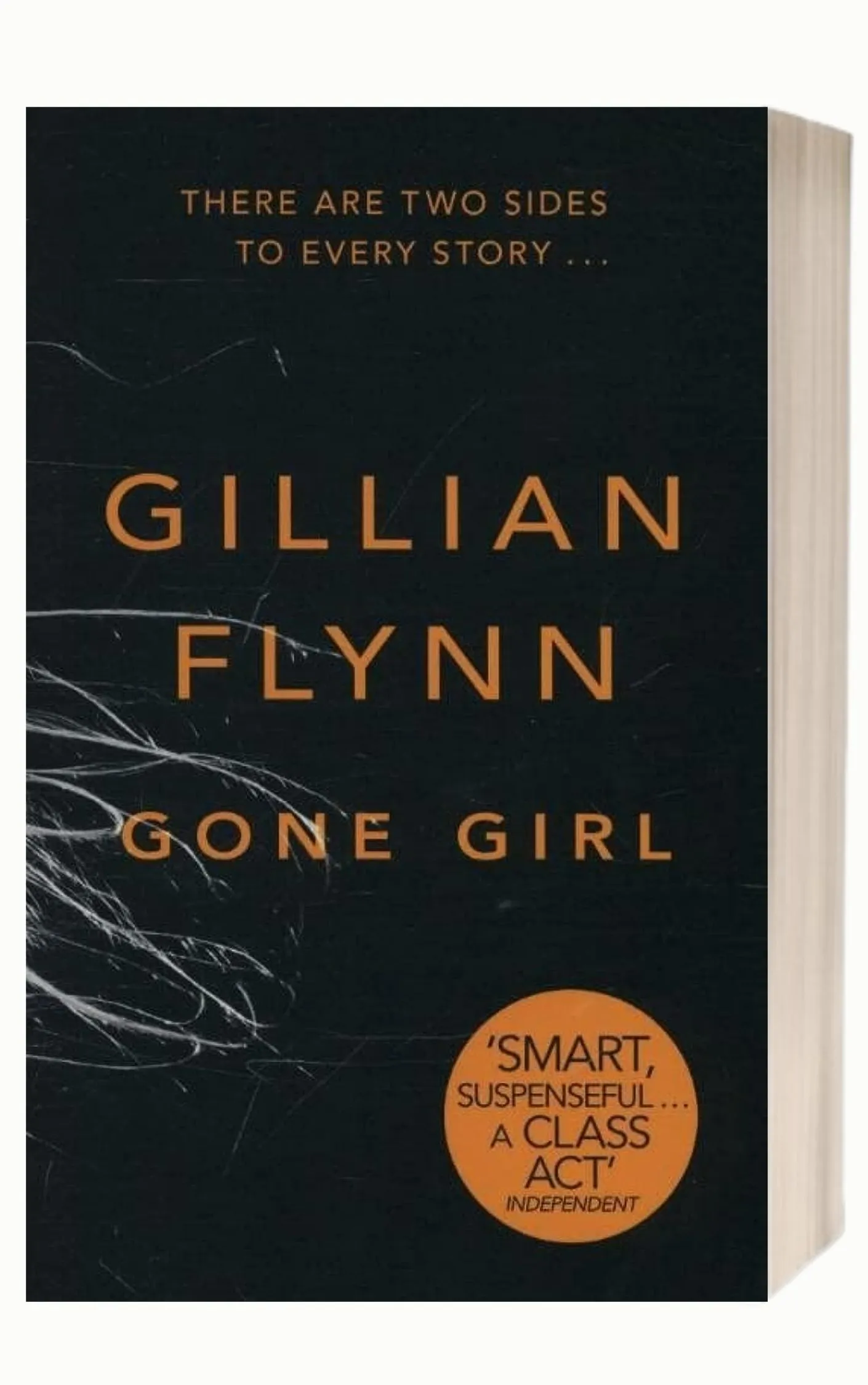
Gone Girl by Gillian Flynn
Few psychological thriller books have shaken readers quite like Gone Girl. What begins as a missing-person case slowly unfolds into a chilling exploration of marriage, manipulation, and media perception. The story’s dual perspectives constantly shift the reader’s loyalties, making it impossible to fully trust either side. Flynn masterfully exposes the masks people wear in relationships, showing how love, resentment, and ego can twist reality. The psychological tension doesn’t rely on action; it comes from mind games, deception, and the terrifying idea that you may never truly know the person closest to you.
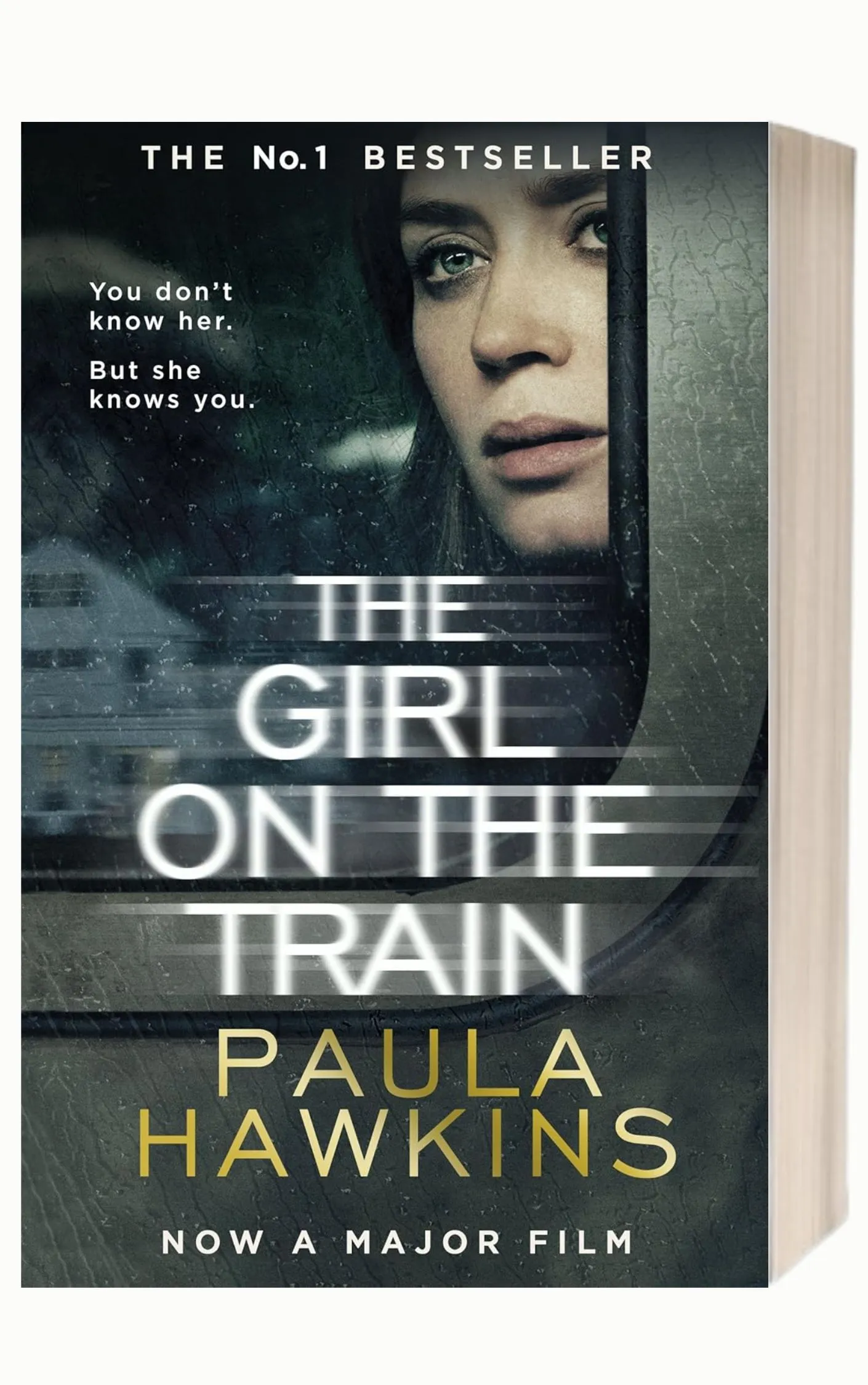
The Girl on the Train by Paula Hawkins
This novel places an unreliable narrator at the center of a mystery shaped by memory gaps, addiction, and obsession. Rachel, the protagonist, watches strangers from a train window, creating imagined stories about their lives until fiction and reality collide. As the plot unfolds, readers must navigate distorted memories and emotional instability, unsure of what’s true. Like the best psychological thriller books, the suspense comes from internal confusion rather than external chaos. The urban setting and lonely routine amplify the sense of isolation, making the tension feel intimate and deeply personal.
Shutter Island by Dennis Lehane
Set in a remote psychiatric institution, Shutter Island traps both the protagonist and the reader in a maze of uncertainty. U.S. Marshal Teddy Daniels arrives to investigate a disappearance, but the case quickly becomes a psychological puzzle involving trauma, denial, and fractured identity.
The isolated setting intensifies the mental pressure, and each revelation raises more questions than answers. This is one of those psychological thriller books where the atmosphere is just as important as the plot. By the end, reality itself feels unstable — and the final twist forces readers to rethink everything they’ve read.

Why Readers Are Drawn to Mind-Twisting Stories
Psychological thriller books don’t just entertain; they create an emotional and mental experience that pulls readers in on a deeper level. These stories trigger curiosity, tension, and even discomfort, yet readers keep turning the pages. The appeal lies in how these novels challenge perception, morality, and human behavior. Instead of offering simple heroes and villains, they present flawed, complex minds. That mental engagement makes the reading experience feel immersive, intelligent, and unforgettable.
Emotional Engagement
Readers feel what the characters feel: anxiety, confusion, fear, and guilt. Psychological thriller books place us inside unstable situations where emotions run high, and certainty is rare. This deep emotional pull creates a powerful connection between the reader and the story. The tension isn’t just in the plot; it lives in the emotional weight of every decision and revelation.
Psychological Depth Over Action
Unlike action-driven thrillers, this genre focuses on motivations, mental states, and inner conflict. Readers who enjoy layered storytelling and meaningful writing style often prefer this depth. Understanding why a character acts can be more gripping than watching what they do. That focus on the human mind adds realism and intellectual intrigue.
The Twist Culture
Modern readers love surprises, and psychological thriller books deliver shocking twists that spark discussion long after the book ends. Social media, book clubs, and online reviews amplify this appeal, as readers share reactions and theories. That collective excitement around unexpected endings keeps the genre trending and constantly in demand.
Psychological Thrillers vs Other Thriller Genres
Psychological thriller books often get grouped with crime, horror, or mystery novels, but the experience they offer is very different. While other thriller genres focus on external danger, fast-paced plots, or solving a central puzzle, psychological thrillers turn inward. The real tension comes from mental conflict, emotional instability, and distorted perception. Understanding these differences helps readers choose stories that match the kind of suspense they truly enjoy.
Psychological Thriller vs Crime Thriller
Crime thrillers usually center on solving a crime, catching a killer, uncovering a conspiracy, or following a detective’s investigation. The suspense comes from who did it and how they’ll be caught.
Psychological thriller books, however, focus less on the crime itself and more on the mental and emotional states of the people involved. The mystery may matter, but the real story is about obsession, guilt, manipulation, or trauma. The question isn’t just what happened, it’s what’s happening inside the mind.
Psychological Thriller vs Horror
Horror aims to frighten readers through external threats: monsters, supernatural forces, or terrifying environments. Fear comes from something outside the character.
Psychological thrillers create fear from within. The danger may be subtle, invisible, or entirely mental. A character’s thoughts, memories, or perceptions become the source of tension. Instead of jump scares, readers experience unease, dread, and uncertainty that builds slowly and linger.
Psychological Thriller vs Mystery
Mystery novels revolve around solving a puzzle. Clues are placed, suspects are introduced, and readers try to piece together the truth alongside the characters.
Psychological thriller books may include mysteries, but they often go further, questioning reality itself. The twist isn’t only about the solution; it’s about identity, perception, or hidden truths that change how the entire story is understood.
Who Should Read Psychological Thriller Books?
Psychological thriller books aren’t just for fans of fast-paced suspense; they’re for readers who enjoy thinking, analyzing, and feeling deeply while reading. This genre appeals to those who like layered storytelling, complex characters, and narratives that challenge perception. If you prefer stories that stay in your mind long after you finish the last page, psychological thrillers might be exactly what you’re looking for.
Readers Who Love Deep Writing
If you appreciate strong writing style, meaningful character development, and emotional layers, psychological thrillers deliver all three. These stories focus on internal conflict, subtle clues, and mental tension, making them ideal for readers who enjoy thoughtful fiction rather than surface-level action.
Fans of Plot Twists
Do you love that moment when a story flips everything upside down? Psychological thriller books are famous for shocking revelations and unexpected endings. If surprises, hidden truths, and “I did not see that coming” moments excite you, this genre won’t disappoint.
Thoughtful Fiction Lovers
Readers who like to reflect on human behavior, moral dilemmas, and psychological complexity often gravitate toward this genre. These novels invite analysis and discussion, making them perfect for book clubs or readers who enjoy exploring themes beyond the plot.
Final Thoughts: Stories That Stay in Your Head
Psychological thriller books do more than entertain; they stay with readers long after the final page is turned. By diving deep into fear, memory, identity, and hidden motives, these stories prove that the human mind is the most powerful source of suspense. The tension doesn’t rely on constant action but on emotional unease, shifting truths, and the fragile nature of perception.
These novels challenge readers to question what is real, whom to trust, and how well we truly understand ourselves and others. That mental engagement is what makes the genre unforgettable.
If you’re ready for stories that twist expectations, blur reality, and keep your thoughts racing, psychological thriller books offer an experience unlike any other: intelligent, unsettling, and impossible to forget.
About Heartsaysalot
Let’s Connect with Heartsaysalot
Welcome to Heartsaysalot, a space where books, poetry, and emotions find a home.
Here, every word holds a heartbeat, every story stirs a feeling, and every poem speaks to the soul.
Whether you’re here to explore heartfelt writings, discover new reads, or find comfort in words that understand, you’re in the right place.
Let’s share stories, connect through emotions, and celebrate the beauty of books and expression.

Frequently Asked Questions About Psychological Thriller Books
What Are Psychological Thriller Books?
Psychological thriller books are stories that focus on the mental and emotional states of characters rather than just physical action. They explore themes like fear, memory, obsession, trauma, and perception, often making readers question what is real and who can be trusted.
How Are Psychological Thriller Books Different From Crime Thrillers?
Crime thrillers mainly focus on solving a crime or catching a criminal. Psychological thriller books, on the other hand, dive deeper into the minds of the characters. The suspense comes from internal conflict, manipulation, and emotional tension rather than just the investigation itself.
Are Psychological Thriller Books Scary Like Horror Novels?
Not exactly. While horror relies on external fear like supernatural elements or monsters, psychological thriller books create unease through thoughts, emotions, and mental instability. The fear is subtle, realistic, and often more disturbing because it feels possible.
Why Do Psychological Thrillers Often Have Twist Endings?
Twists are a key feature because these stories revolve around perception and hidden truths. A surprise ending forces readers to rethink everything they believed earlier, making the story more impactful and memorable.
Who Should Read Psychological Thriller Books?
These books are perfect for readers who enjoy deep storytelling, complex characters, and unexpected turns. If you like analyzing motives, questioning reality, and feeling emotionally involved in a story, this genre is a great choice.
Are Psychological Thriller Books Suitable For Beginners?
Yes, many psychological thrillers are accessible and engaging even for new readers. Since they focus on emotions and suspense rather than complex fantasy worlds, they are easy to follow while still being gripping.