Sustainable living is no longer just a trend. As people become more aware of climate change, plastic pollution, food waste, fast fashion, and the pressure placed on natural resources, many are looking for practical ways to live more responsibly. But knowing where to begin can sometimes feel overwhelming.
The good news is that a great book can turn a complicated subject into something personal, understandable, and inspiring.
The best sustainable living books do more than explain environmental problems. They encourage readers to rethink everyday choices, from what they eat and buy to how they travel, use energy, and care for the world around them. Some focus on climate science, while others explore simple lifestyle changes that can make a meaningful difference over time.
If you want to understand sustainability better or find motivation to make greener choices, these books are an excellent place to start.
Why Read Books About Sustainable Living?
Sustainability can involve almost every part of modern life. Yet social media often reduces it to a collection of quick tips: carry a reusable bottle, avoid plastic bags, recycle more, or buy sustainable products.
Those actions can help, but sustainable living is much broader.
Books allow readers to understand why environmental problems exist and how individual choices connect to larger systems. They can explain how consumption, business, agriculture, energy, transportation, and the natural environment connect.
More importantly, books can help turn environmental awareness into long-term thinking.
Instead of trying to change everything overnight, readers can learn how small and realistic decisions can become lasting habits. That makes sustainability feel less like a sacrifice and more like a different way of living.
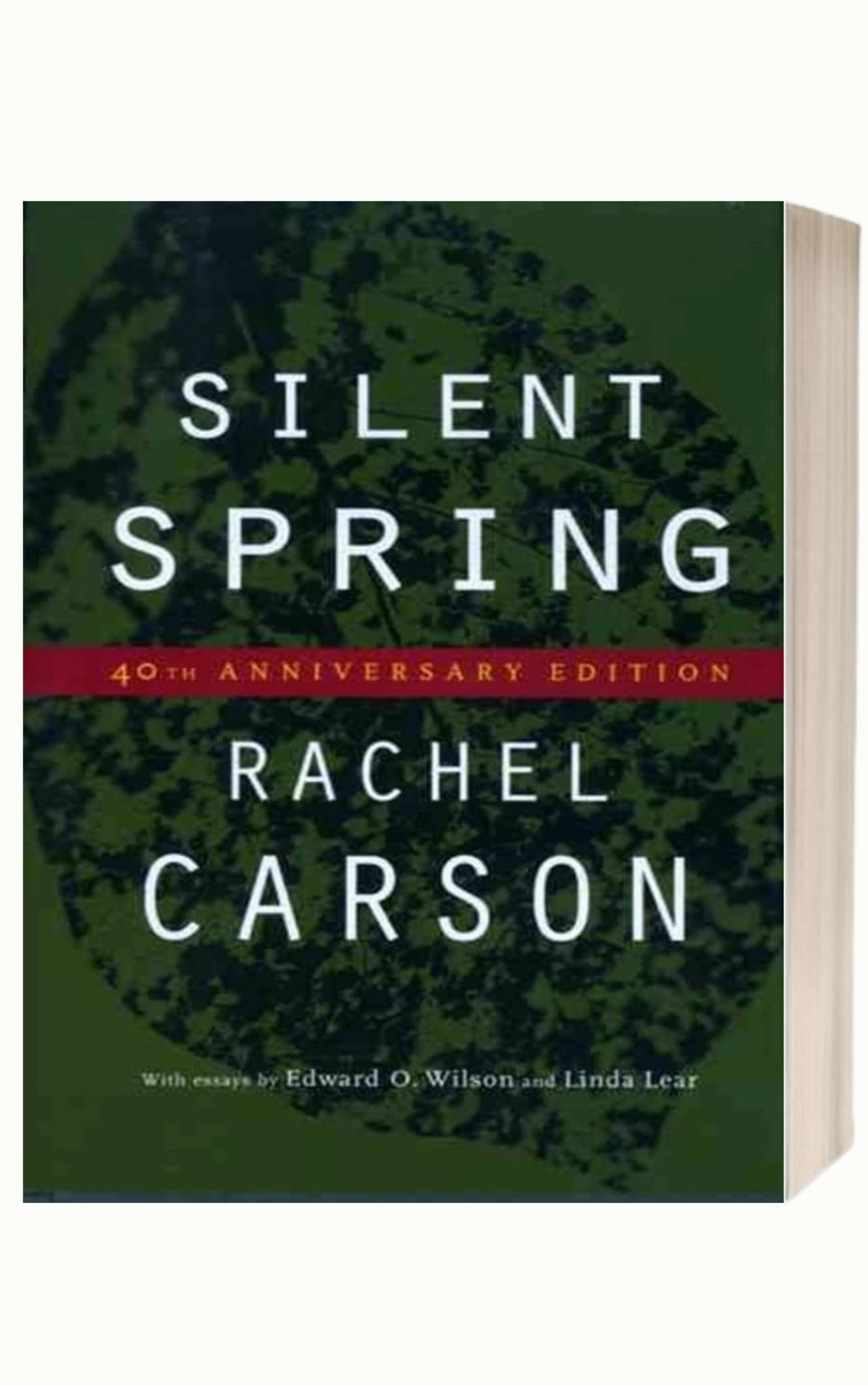
1. Silent Spring by Rachel Carson
Few environmental books have had an impact as lasting as Silent Spring.
Published in 1962, Rachel Carson’s groundbreaking work examined the widespread use of pesticides and their effects on wildlife, ecosystems, and human health. Her writing helped bring environmental concerns into mainstream public discussion and played an important role in the development of the modern environmental movement.
Although the book was written decades ago, its central message remains relevant: human actions can have consequences far beyond what we immediately see.
For readers interested in understanding the roots of modern environmental awareness, Silent Spring is an essential classic.
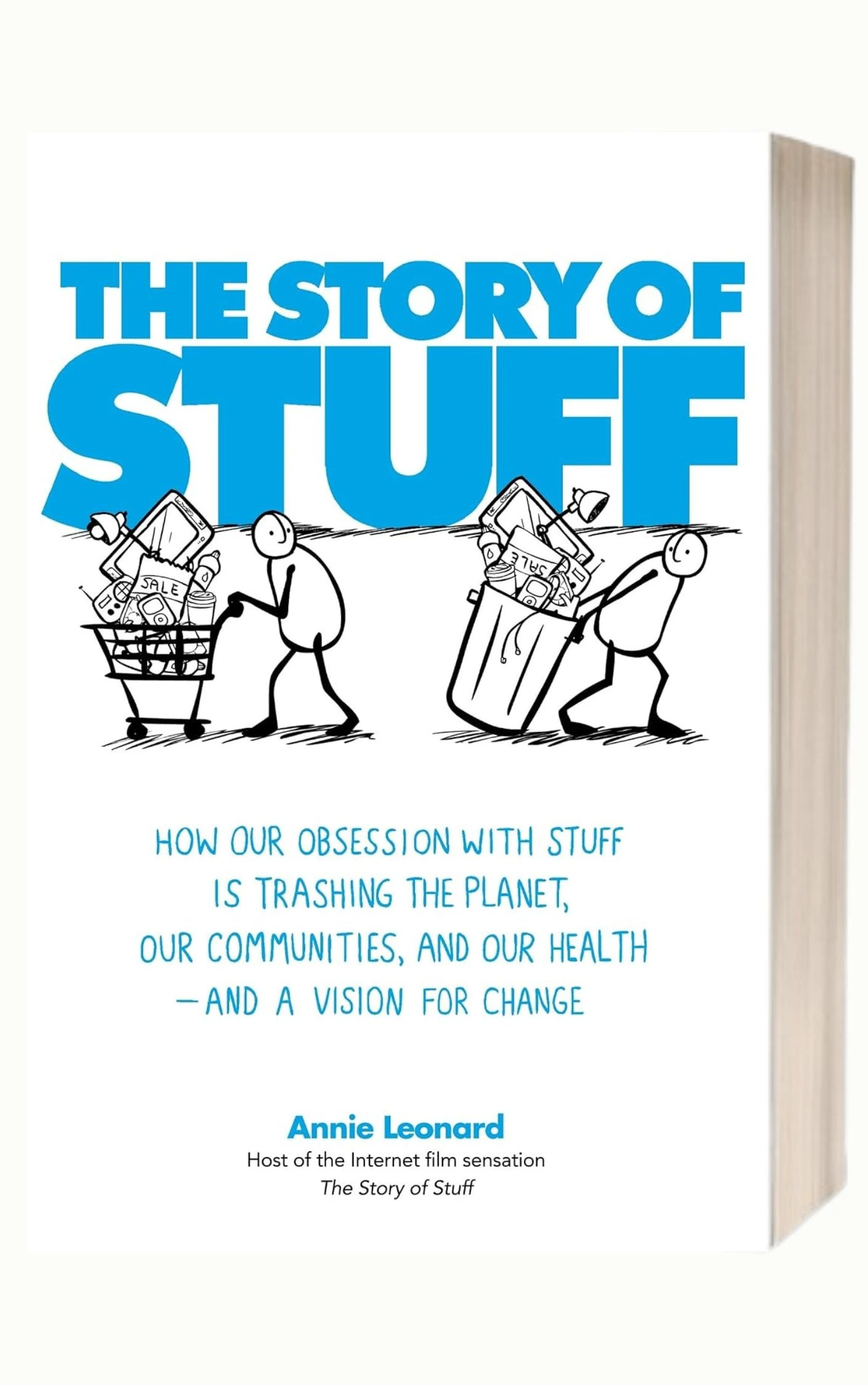
2. The Story of Stuff by Annie Leonard
Have you ever wondered where the things you buy actually come from and where they go when you throw them away?
The Story of Stuff explores the hidden environmental and social consequences of the products that surround us. Annie Leonard examines the journey of consumer goods through extraction, production, distribution, consumption, and disposal.
The book encourages readers to question the idea that buying more automatically means living better.
Its biggest strength is accessibility. You do not need a background in environmental science or economics to understand its ideas. Instead, it encourages everyday consumers to become more conscious of the systems behind ordinary purchases.
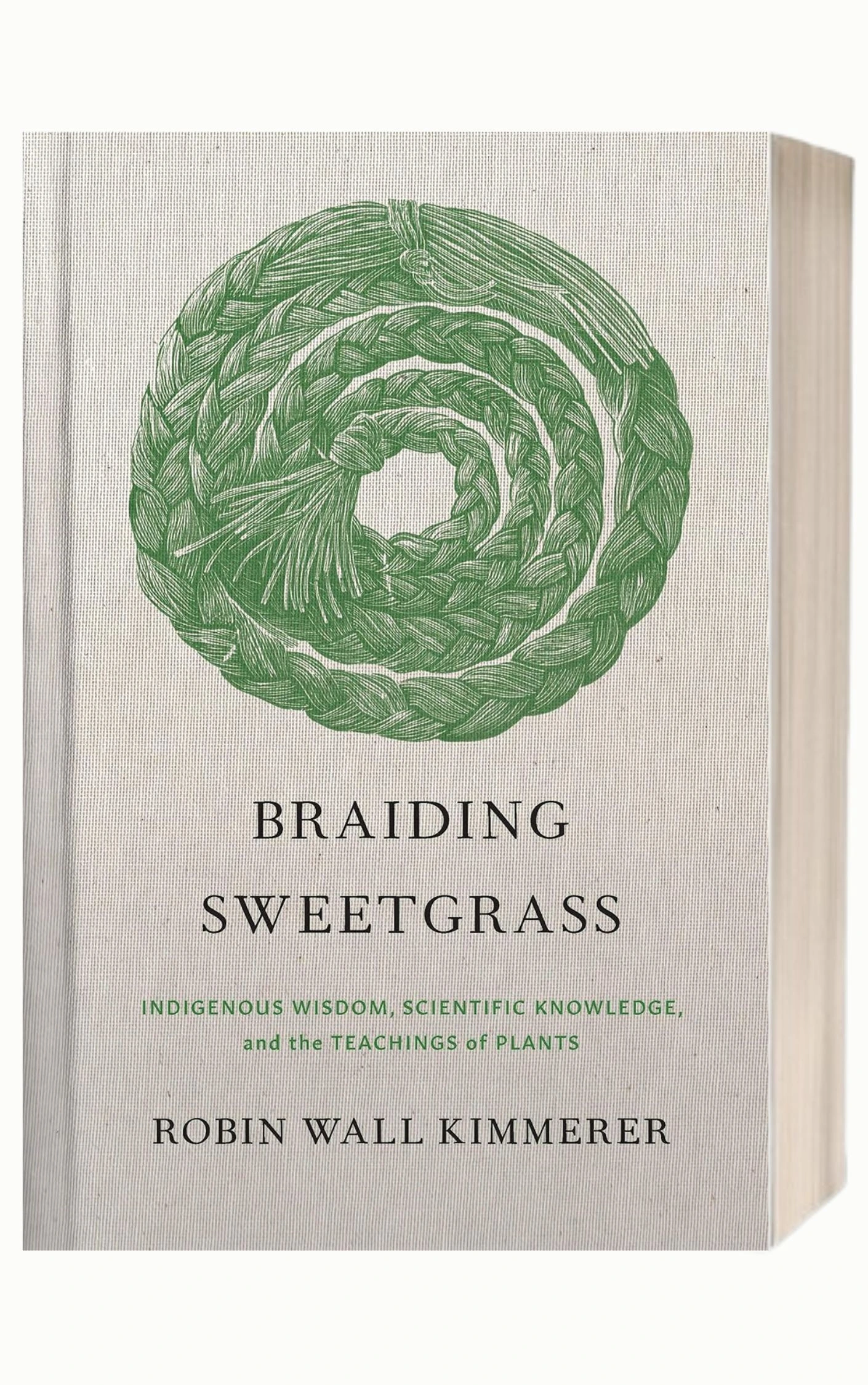
3. Braiding Sweetgrass by Robin Wall Kimmerer
Sustainability is not only about reducing consumption. It is also about changing how we understand our relationship with nature.
In Braiding Sweetgrass, Robin Wall Kimmerer combines Indigenous wisdom, scientific knowledge, personal experiences, and observations of the natural world. The result is a thoughtful exploration of reciprocity, gratitude, and our responsibility toward the living world.
Rather than treating nature simply as a resource, the book encourages readers to see the natural environment as something with which humans have a relationship.
This makes it particularly powerful for anyone who wants sustainable living to become more than a checklist of eco-friendly habits.
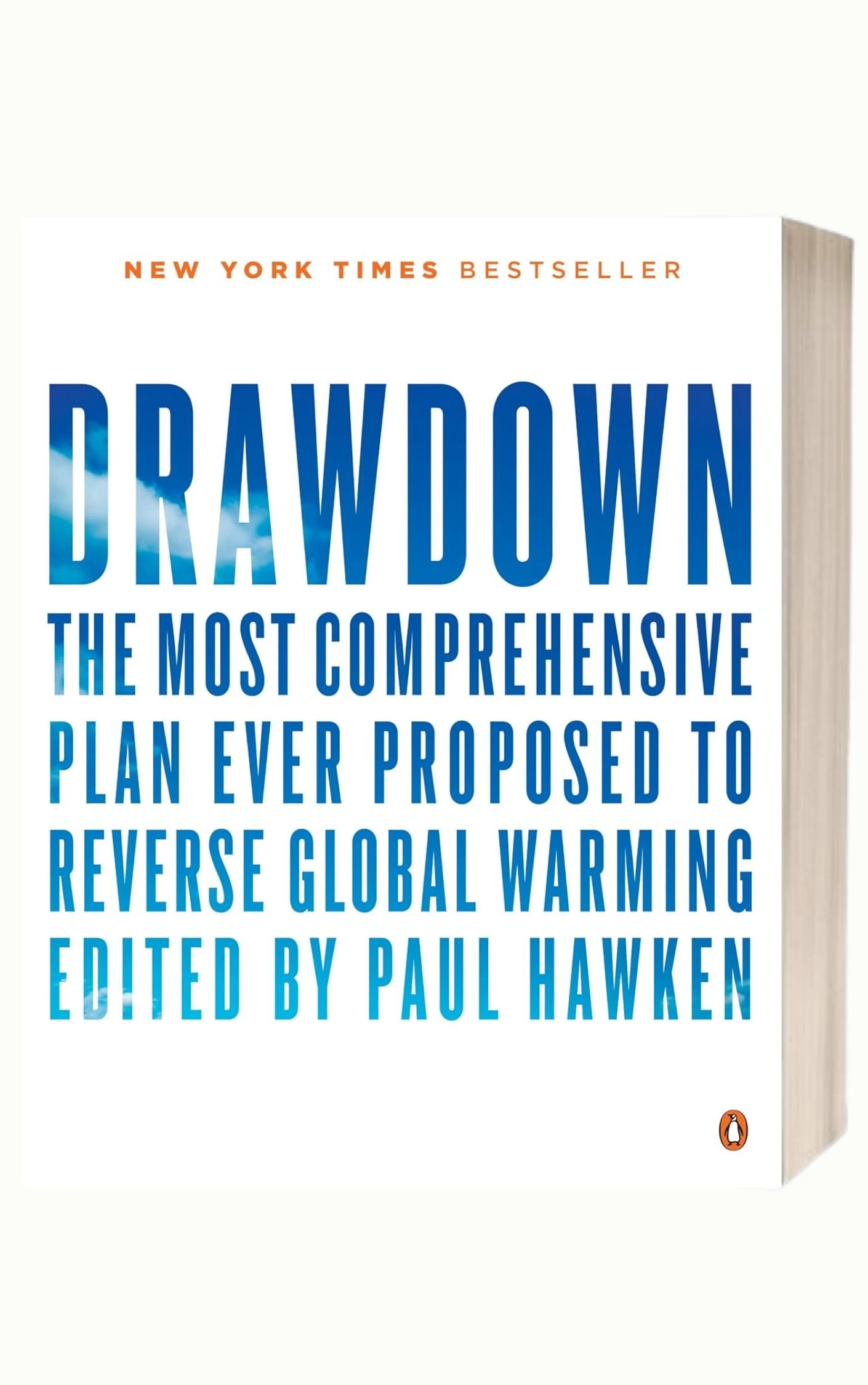
4. Drawdown by Paul Hawken
For readers who want practical information about climate solutions, Drawdown offers a different perspective.
Instead of focusing only on the scale of the climate crisis, the book examines solutions that can help reduce greenhouse gas emissions. It covers areas including energy, food, transportation, buildings, land use, and other major systems.
One of the most encouraging ideas behind the book is that climate action is not limited to one solution. Progress can come from many different approaches working together.
This makes Drawdown particularly useful for readers who sometimes feel discouraged by environmental news. Understanding possible solutions can replace helplessness with informed action.
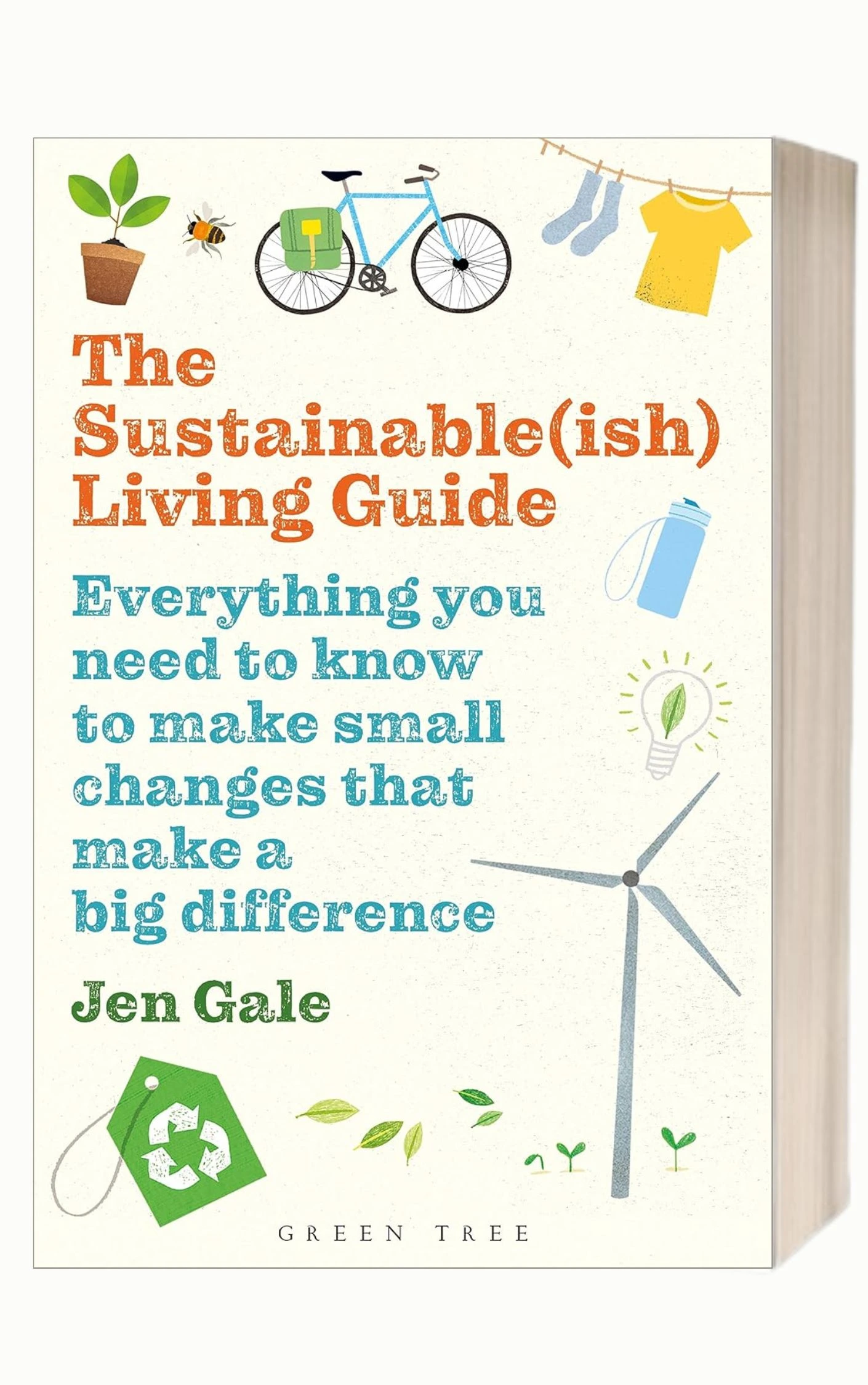
5. The Sustainable(ish) Living Guide by Jen Gale
Not everyone wants to completely transform their lifestyle overnight.
That is where a practical guide such as The Sustainable(ish) Living Guide can be helpful. Jen Gale focuses on realistic changes that ordinary people can make without expecting perfection.
The idea of being “sustainable-ish” is appealing because environmental living does not have to mean getting everything right. Real life includes busy schedules, limited budgets, existing habits, and imperfect choices.
The book encourages readers to make progress rather than chase perfection.
That is an important lesson for anyone beginning a greener lifestyle: doing something consistently is usually more useful than waiting until you can do everything perfectly.
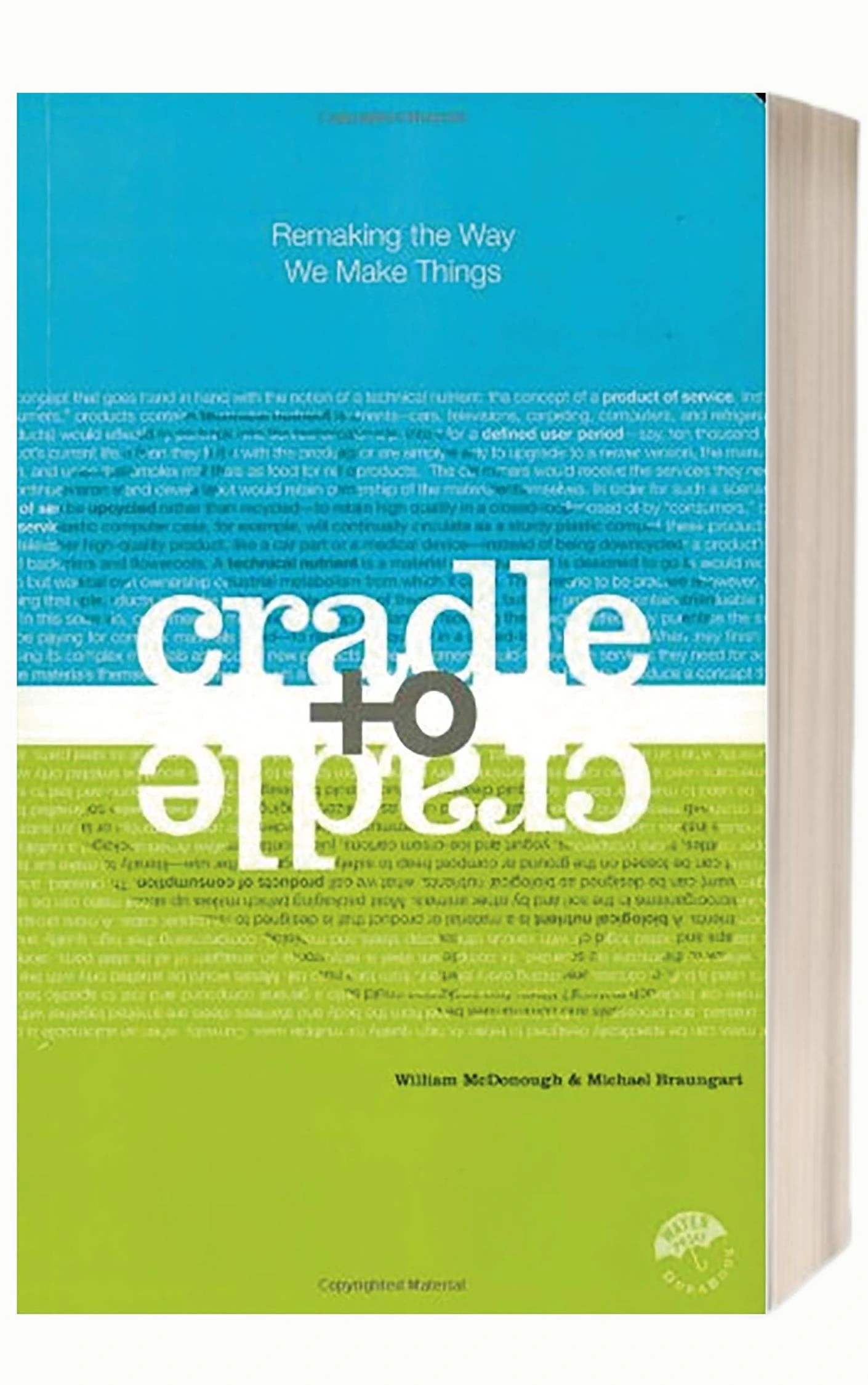
6. Cradle to Cradle by William McDonough and Michael Braungart
Many discussions about sustainability focus on reducing damage. Cradle to Cradle asks a more ambitious question: What if we designed products and systems so that waste was not the end of the process?
The authors challenge the traditional “take, make, waste” model and explore ways of designing products and buildings around continuous cycles.
This concept introduces readers to ideas associated with the circular economy, where materials can potentially remain useful instead of becoming waste after a single life cycle.
It is particularly interesting for readers who want to understand how sustainability can influence design, manufacturing, architecture, and business.
What Can These Books Teach Us About Going Green?
Although these books approach sustainability from different directions, several common lessons emerge.
Start With Awareness
Before changing habits, it helps to understand the consequences of those habits. Learning about waste, energy consumption, biodiversity, and resource use can make everyday decisions more meaningful.
Focus on Progress, Not Perfection
You do not need to become completely zero-waste or eliminate every environmentally harmful choice from your life. Sustainable living is often a gradual process.
Start with changes that are realistic for you.
Think Beyond Individual Choices
Personal habits matter, but environmental challenges are also connected to industries, infrastructure, government policies, agriculture, and economic systems.
Good sustainability books help readers understand both levels: what individuals can do and what larger systems need to change.
Buy Less and Choose Carefully
One of the simplest ideas shared across many sustainability discussions is to become more intentional about consumption.
Before buying something, ask:
- Do I really need it?
- Can I repair something I already own?
- Will I use it regularly?
- Can I buy something durable rather than disposable?
- What happens to the product when I no longer need it?
These questions can gradually change purchasing habits without requiring dramatic lifestyle changes.
How to Build a Greener Reading and Living Habit
Reading about sustainability is valuable, but the real benefit comes from applying what you learn.
Choose one idea from a book and put it into practice.
For example, you might begin by reducing food waste, buying fewer unnecessary products, repairing clothes, using public transportation more often, growing some of your own food, reducing single-use plastics, or becoming more conscious of household energy use.
You can also keep a small sustainability journal. Write down one environmental habit you want to improve and track your progress each week.
The goal is not to create a perfect eco-friendly lifestyle. The goal is to develop a more thoughtful relationship with consumption and the natural world.
Finding More Books to Inspire Better Living
Sustainability is only one part of becoming a more informed and thoughtful reader. Exploring different subjects can introduce new perspectives on personal growth, society, health, creativity, and the world around us.
If you enjoy discovering books across different subjects and genres, explore our Best Books Collection for more reading inspiration.
A good book can change what you know. A great book can change what you notice. And sometimes, the right book can change what you choose to do every day.
Final Thoughts
Sustainable living does not have to begin with a dramatic transformation. It can begin with a question. Where did this product come from? How much do I really need? What happens when I throw it away? Could I make a better choice next time?
Books can help us ask those questions with greater understanding. From Rachel Carson’s environmental warnings to Robin Wall Kimmerer’s reflections on our relationship with nature and practical guides for everyday change, sustainable living books offer different paths toward the same goal: living with greater awareness of our impact on the planet.
You do not have to change everything today. Read, learn, choose one small action, and build from there. Because going green is not about being perfect. It is about making better choices, one decision at a time.