What if the future isn’t new at all just forgotten?
Books that predict the future reveal patterns shaping society long before headlines make them visible. These books study power, technology, emotion, and culture to understand where humanity is heading. They do not predict events; they explain consequences through stories, ideas, and psychological insight.
Great literature has always reflected society’s fears, desires, and turning points. Poetry, fiction, and philosophical writing often capture change earlier than news or data. This is why books remain powerful tools for understanding social evolution.
Many authors noticed warning signs in surveillance, digital dependence, and emotional isolation decades ago. Their stories imagined worlds shaped by these forces, long before they became everyday experiences. Today, those imagined futures feel uncomfortable.
Books that predict the future help readers recognize repeating cycles within human behavior and systems. They show how comfort replaces curiosity and how convenience slowly reshapes freedom. These insights encourage awareness rather than panic. Creative expression shapes collective thinking, and The Impact of Poetry on Society shows how words influence culture, resistance, and emotional awareness.
Why Some Books Predict the Future So Accurately
Books that predict the future succeed because they understand people before technology. Human behavior changes slowly, even when tools evolve rapidly; writers’ study habits, fears, ambitions, and power structures shape everyday decisions. Emotional awareness predicts resilience, and Master Your Emotions explores control, clarity, and mental strength in uncertain times.
Instead of imagining impossible inventions, they extend existing trends to their limits. Small social changes often create massive consequences over time. Authors notice these shifts long before they become visible to the public. Technology amplifies human tendencies rather than replacing them entirely. Surveillance grows from fear, not machines. Distraction grows from desire, not innovation.
Great books observe how societies trade freedom for comfort gradually. They show how language, culture, and emotion adapt under pressure. These insights feel prophetic because the patterns remain consistent. Psychology plays a crucial role in future-focused literature. When people seek convenience, systems learn to guide behavior silently. Books expose these mechanisms through narrative instead of data.
This approach makes literature timeless and repeatedly relevant. The future feels familiar because it follows recognizable human choices. Books predict outcomes by understanding motivations driving progress.
Patterns That Reveal the Future
Books that predict the future focus on patterns rather than isolated events. History shows societies repeat mistakes when lessons remain ignored. Literature preserves these lessons through stories people remember.
Technological progress often accelerates existing inequalities and social tensions. Writers notice how innovation reshapes power long before laws respond. These observations become warnings hidden inside narratives.
Cultural shifts rarely appear sudden to those paying attention. Changes begin with language, entertainment, and everyday behavior. Books capture these subtle transformations early. Patterns emerge when comfort replaces curiosity and speed replaces reflection. Societies move faster but think less deeply. This imbalance appears repeatedly across different eras. Books that predict the future connect personal choices with collective outcomes. Individual habits scale into societal systems over time. Literature reveals this process with emotional clarity.
Recognizing patterns helps readers anticipate consequences without fearing uncertainty. Awareness turns foresight into preparation rather than anxiety. This is why such books remain endlessly relevant. Literature has always captured emotional truth before society could name it clearly. Love, longing, and human connection often reveal cultural change earlier than analysis. This is especially visible in Top Hindi Love Poems, where emotion reflects shifting values and relationships. These poems preserve how people loved, expressed vulnerability, and resisted emotional silence. They remind readers that the future is shaped as much by feeling as by technology.
When societies change, love poetry quietly records what statistics overlook.
Future Reads Gen Z Can’t Ignore
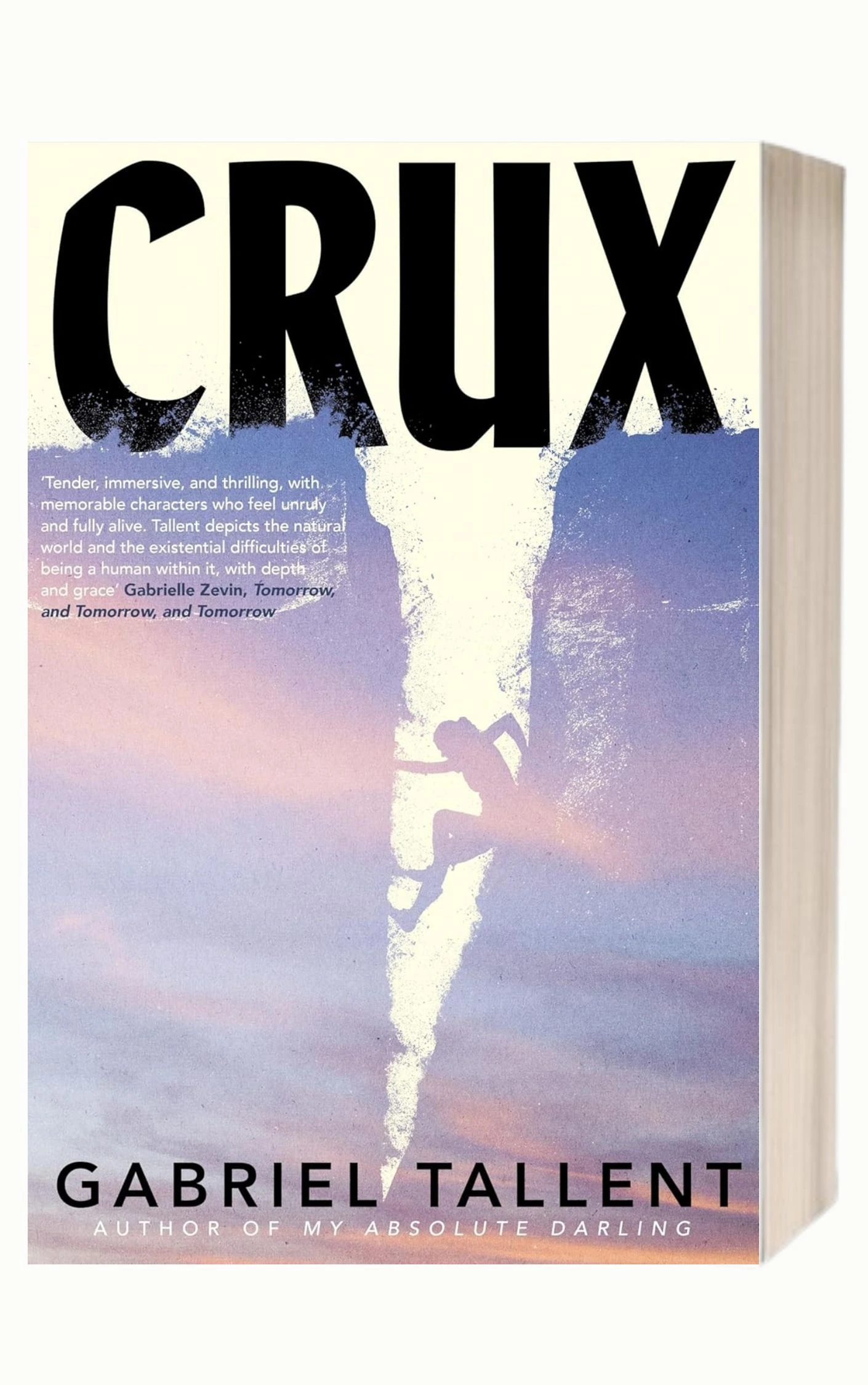
The Secret of Secrets by Dan Brown
This fast-paced novel speaks directly to a generation raised on hidden algorithms and coded realities. Instead of focusing only on mystery, the book explores how information, secrecy, and belief systems quietly influence global behavior. It reflects a future where truth becomes fragmented, and power belongs to those controlling narratives. The story mirrors a world shaped by misinformation, viral ideas, and digital influence. The novel suggests that future conflicts won’t always be fought with weapons, but with data, perception, and belief. It feels relevant because it asks a modern question: who controls knowledge, and who decides what people believe?
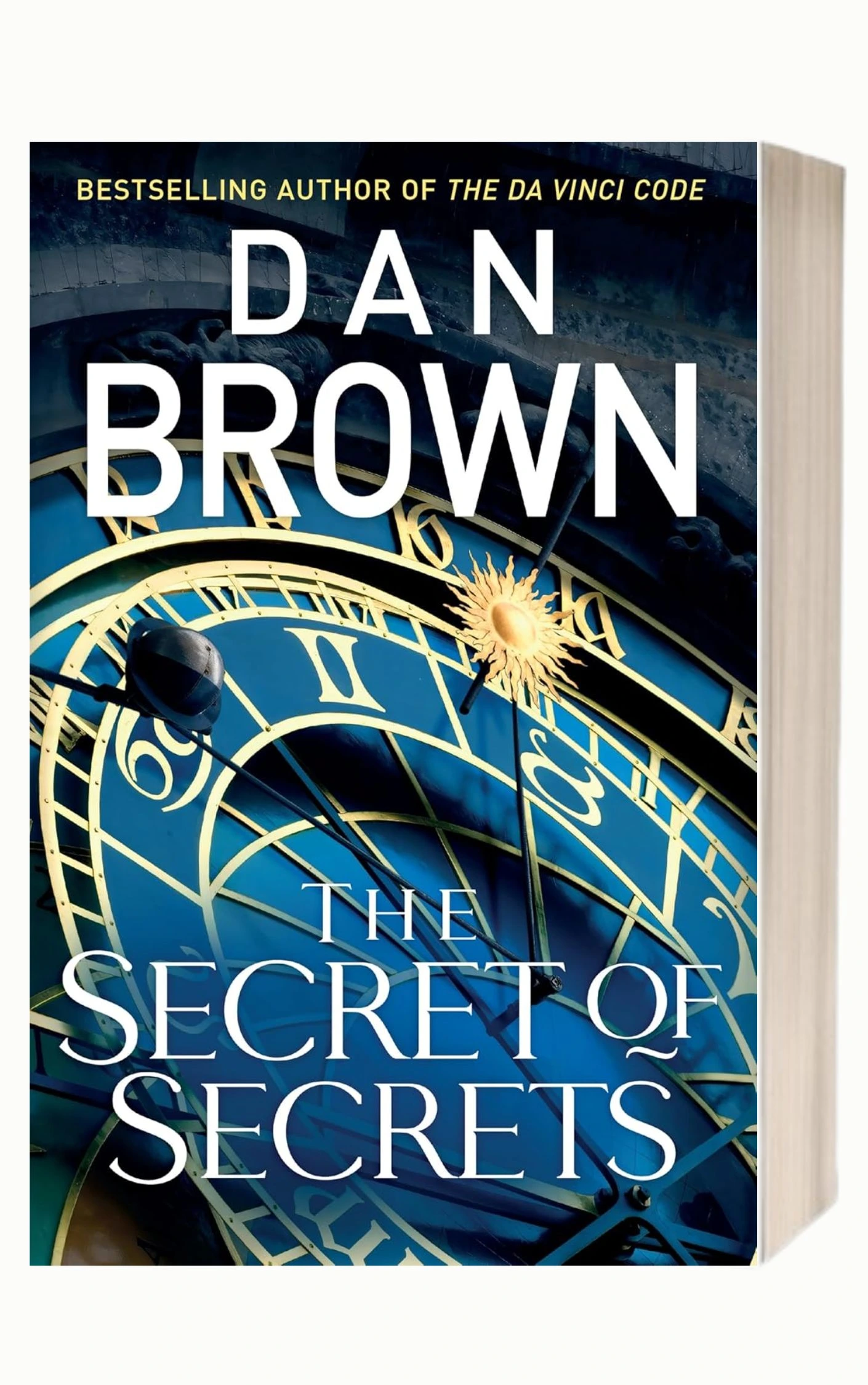
Coldwire by Chloe Gong
Coldwire imagines a world where virtual spaces feel more real than physical life. The story explores identity, surveillance, and how corporate-controlled technology shapes behavior. Future already feels familiar. Online personas, digital pressure, and algorithm-driven validation dominate daily experiences. The book predicts how dependence on virtual environments may blur reality and self-worth. It also raises questions about autonomy in a world where platforms quietly guide decisions. Coldwire doesn’t exaggerate the future; it extends today’s digital habits to their natural outcome, making it especially relatable for readers growing up online.
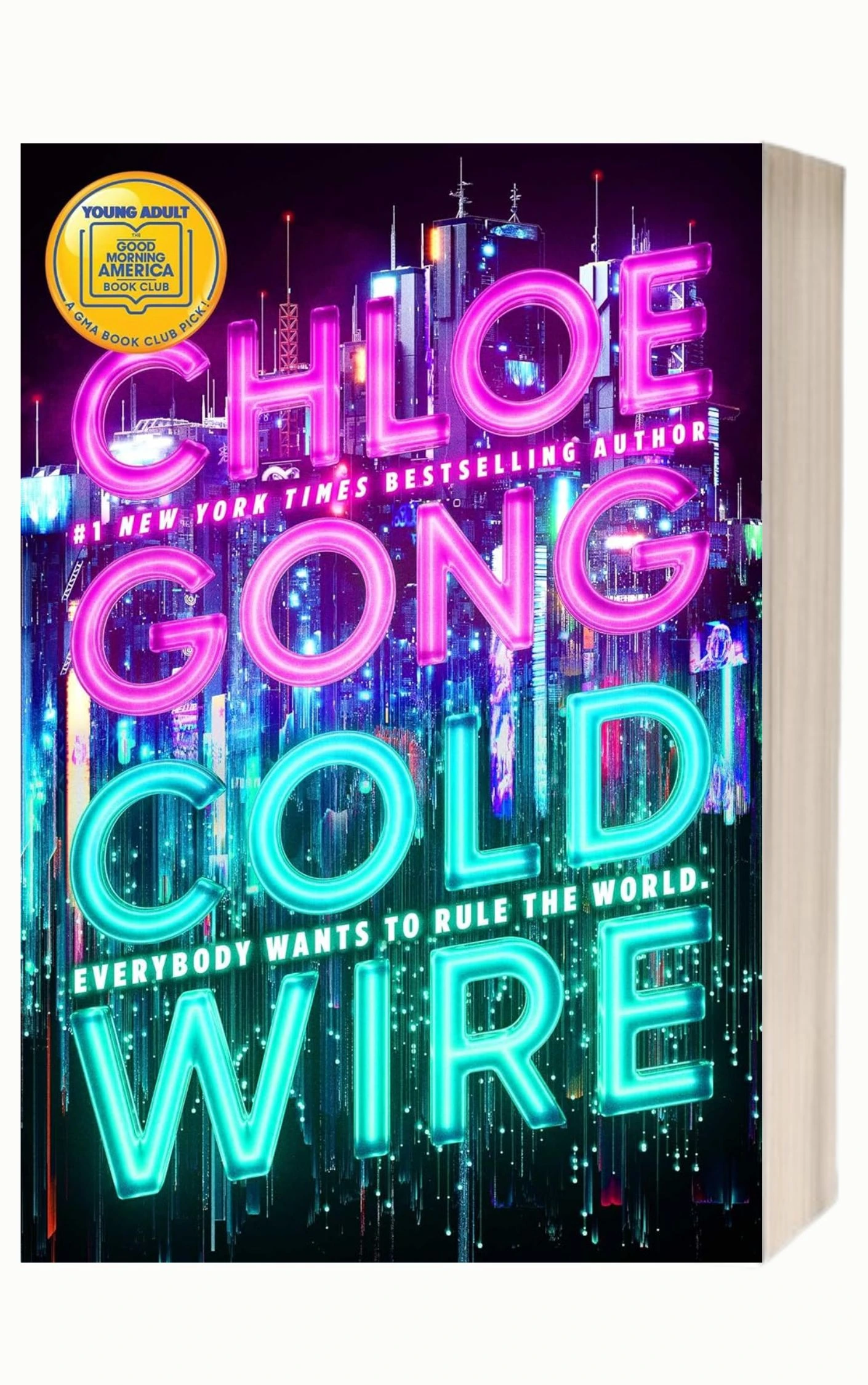
Crux by Gabriel Tallent
Crux explores class, and survival shapes people living on society’s edges. Rather than predicting technology, it predicts emotional futures, burnout, inequality, and identity pressure. The story reflects economic uncertainty and the struggle to define success in unstable systems. The novel suggests that future generations will question traditional paths more deeply. It captures how social structures influence personal dreams and mental health. Crux feels predictive because it shows how societal pressure quietly reshapes values, relationships, and self-worth in a changing world. Books exploring psychology echo future behavior, and The Power of Your Subconscious Mind explains how inner patterns quietly shape decisions.
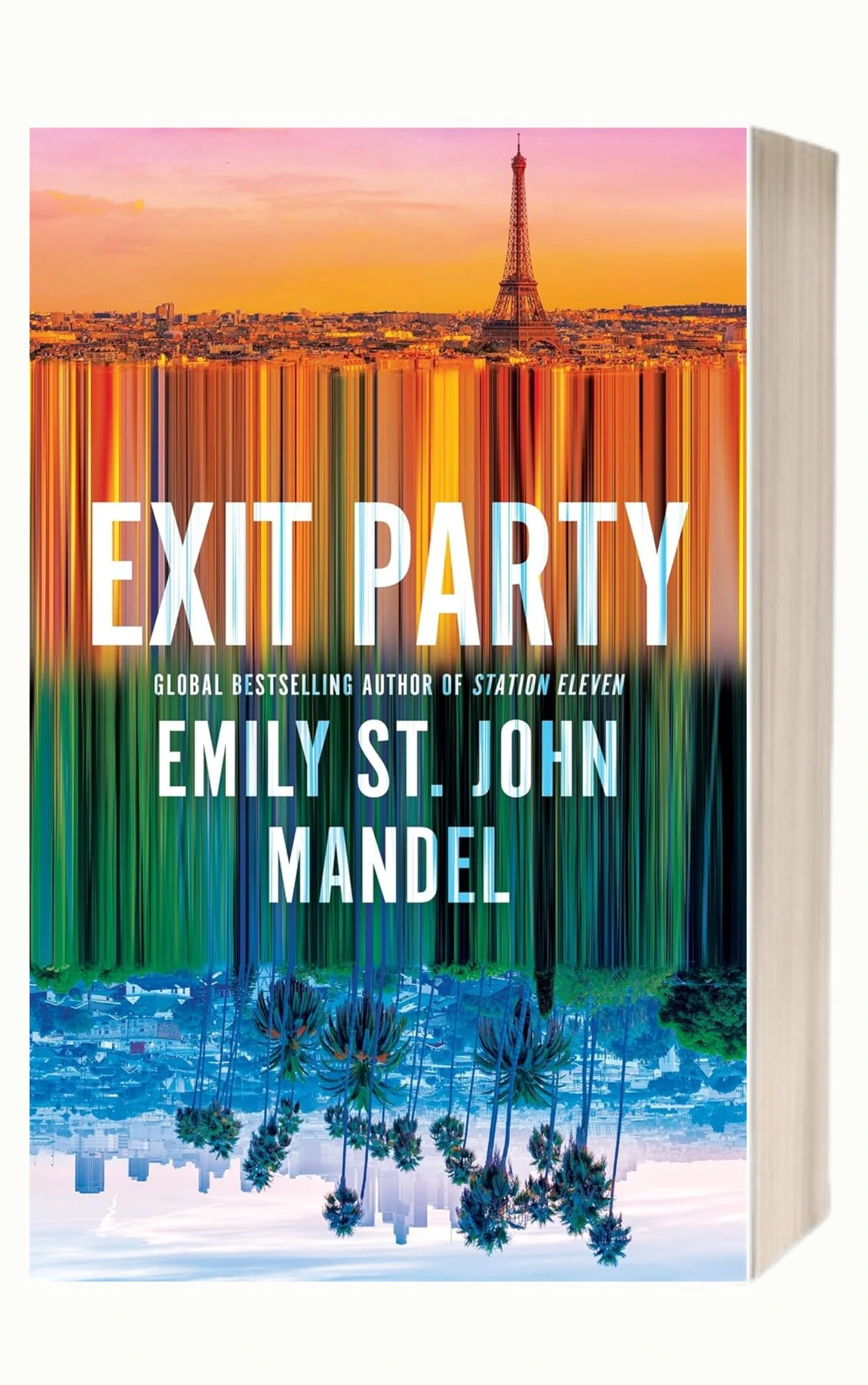
Exit Party by Emily St. John Mandel
It reflects a future where communities fracture and reform continuously. The themes of adaptability, loss, and resilience feel deeply relevant. The book predicts how relationships evolve when stability becomes rare. Instead of focusing on catastrophe, it highlights emotional survival. Exit Party suggests the future will test empathy more than strength. It resonates because Gen Z already navigates constant change, making this story feel less fictional and more like a reflection of lived experience.
Hooked by Asako Yuzuki
Hooked explores obsession, identity, and how attention shapes modern behavior. The novel predicts a future where validation becomes currency. This feels personal; likes, views, and online approval already influence self-image. The book examines how digital culture reshapes desire, morality, and emotional boundaries. It warns that constant exposure can blur authenticity. Hooked doesn’t criticize technology directly; it questions how humans use it. This makes the book feel like a mirror, reflecting how future identities may form through screens rather than self-reflection.

Why These Books Matter to Readers Today
Books that predict the future are not only about technology or imagined worlds. They help readers understand emotions, behavior, and social change in real time. This is where literature becomes deeply personal and universally relevant. Stories often capture emotional truths faster than reports or statistics. Poetry and reflective writing preserve how people feel during societal transitions. This emotional record explains why literature remains powerful across generations.
Psychological insight plays a major role in future-focused books. Many stories reveal how habits, fears, and desires silently guide collective outcomes. These ideas connect closely with how the subconscious mind shapes everyday decisions. Cultural memory survives through verse, and Top 7 Urdu Poetry Books to Ignite Your Soul preserve emotion, resistance, and timeless expression. Understanding literary evolution matters, and Forms of Urdu Poetry reveal how structure shapes meaning across generations.
Society changes when language, expression, and creativity shift. Literature reflects these changes through poetry, fiction, and cultural storytelling. This connection explains why books influence movements before history documents them. Readers drawn to future-predicting books often seek meaning, not certainty. They want clarity during uncertainty, not absolute answers. Literature provides that clarity by slowing down thought.
How to Read Books That Predict the Future Wisely
Books that predict the future are meant to be understood, not feared. They help readers recognize patterns shaping society, behavior, and cultural change.
When reading future-focused books, keep these principles in mind:
- Focus on themes rather than specific timelines or exact predictions.
- Observe how human behavior responds to pressure, power, and rapid change.
- Notice how technology amplifies existing habits instead of creating new ones.
- Pay attention to language, emotion, and social structure within the story.
These elements reveal why certain futures feel familiar when they arrive. Reading across genres strengthens understanding. Fiction explores systems, psychology explains behavior, and poetry captures emotional truth.
To gain deeper insight, try this approach:
- Read slowly and allow ideas to settle before moving forward.
- Compare perspectives across different authors and cultural backgrounds.
- Reflect on how similar patterns appear in everyday life.
Discussion deepens meaning. Sharing interpretations uncovers insights that solitary reading may miss. Books become guides when read with intention. They prepare the mind for change rather than predicting exact outcomes. Understanding the future begins with thoughtful reading today. Mystery literature often predicts social change early, and Bengali Detective Fiction Books reveal crime, logic, and evolving urban realities.
The Future Is Already Taking Shape
The future rarely arrives without warning. It often appears first in ideas, stories, and creative expression. Books that predict the future help readers notice change before it feels overwhelming. They reveal how small shifts grow into cultural transformations. This awareness creates understanding rather than fear.
Literature gives language to uncertainty. It explains why societies change and how individuals respond.
These insights remain relevant across generations. Modern readers face rapid technological and emotional change. Books offer space to pause, reflect, and think critically. They slow the noise and sharpen the perspective.
The most meaningful predictions are not about machines or timelines. They are about values, choices, and human behavior. This is where books become powerful guides.
Reading future-focused books builds clarity in uncertain times. It strengthens emotional intelligence and social awareness. Preparation begins with understanding. The future is not something we wait for.
It is something we recognize forming around us. Books help us see it clearly.
About Heartsaysalot
Let’s Connect with Heartsaysalot
Welcome to Heartsaysalot, a space where books, poetry, and emotions find a home.
Here, every word holds a heartbeat, every story stirs a feeling, and every poem speaks to the soul.
Whether you’re here to explore heartfelt writings, discover new reads, or find comfort in words that understand, you’re in the right place.
Let’s share stories, connect through emotions, and celebrate the beauty of books and expression.
Frequently Asked Questions About Books That Predict the Future
What Are Books That Predict the Future?
Books that predict the future explore patterns in human behavior, technology, and society. They don’t forecast exact events but reveal where current trends may lead.
Are These Books Based on Facts or Imagination?
Most combine imagination with observation and research. Authors study real-world systems and extend them logically into the future.
Why Do Many Predictions Feel Accurate Years Later?
Human behavior changes slowly, even when technology advances rapidly. Books feel accurate because they focus on psychology, power, and social habits.
Do Modern Books Predict the Future Better Than Older Ones?
Modern books reflect current technologies and cultural pressures more directly. Older books offer proven insights, while newer books capture emerging realities.
Are These Books Meant to Warn or Entertain?
They often do both. Entertainment draws readers in, while underlying ideas encourage awareness and reflection.
Who Should Read Books That Predict the Future?
Anyone curious about society, technology, or human behavior will benefit. These books help readers think critically about progress and change.