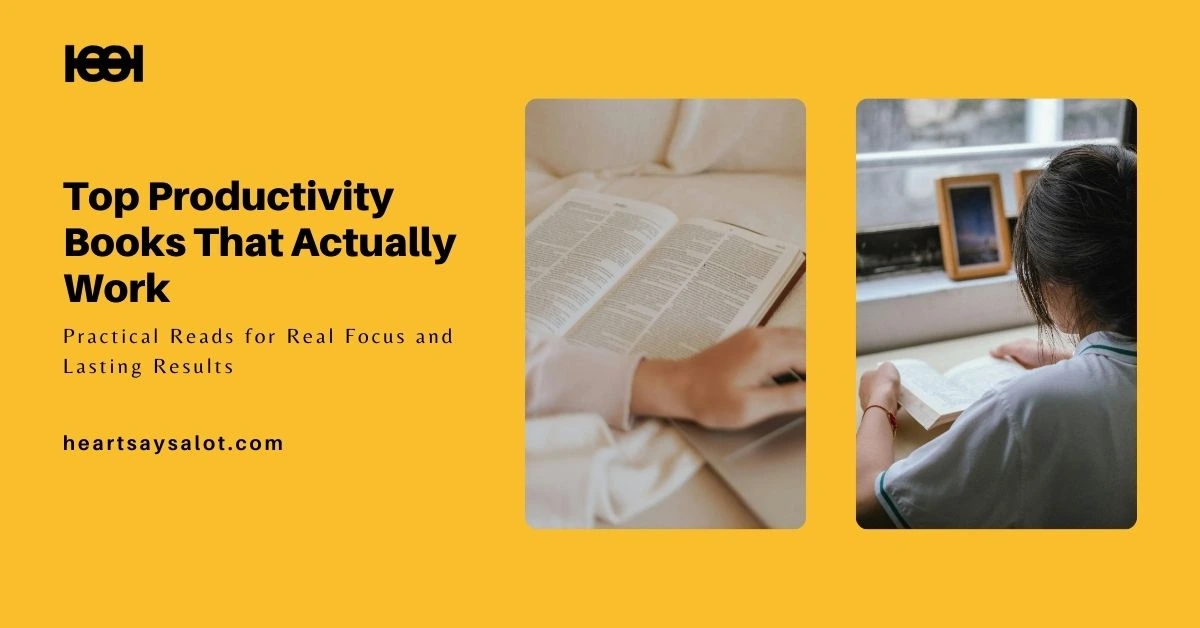
Productivity isn’t about cramming more tasks into your day or chasing unrealistic routines. The top productivity books that truly work focus on clarity, mindset, and intentional action. Instead of quick hacks, these books help you understand why you procrastinate, how your habits are shaped, and what truly deserves your time.
In a world filled with distractions, real productivity comes from mastering focus, managing emotions, and aligning daily actions with meaningful goals. That’s exactly why this carefully selected list goes beyond surface-level motivation and highlights books that deliver practical, lasting results, especially for readers, writers, and creative minds.
Whether you’re seeking better focus, healthier habits, or mental discipline without burnout, these top productivity books offer frameworks you can actually apply starting today.
Why Most Productivity Books Fail
Most productivity books promise instant transformation: wake up earlier, work harder, push faster. But in reality, these approaches often collapse within days. The problem isn’t a lack of motivation; it’s that many productivity systems ignore how the human mind actually works.
True productivity is not built on pressure or guilt. It grows from self-awareness, emotional balance, and realistic habits. That’s why readers often feel inspired after finishing a productivity book, but struggle to apply its lessons long-term.
Motivation vs Meaningful Action
Motivation is temporary. It fades the moment routine, fatigue, or emotional stress sets in. The top productivity books don’t rely on motivational highs; instead, they focus on creating systems that function even on low-energy days.
Meaningful action comes from:
- Clear priorities
- Simple, repeatable habits
- A mindset that supports consistency over perfection
These books teach you how to act even when motivation disappears.
Productivity Is Emotional, Not Mechanical
Productivity is deeply tied to how you think and feel. Overwhelm, self-doubt, and mental clutter silently drain focus far more than poor time management. Books that acknowledge this emotional layer stand out because they address productivity at its root.
By understanding attention, discipline, and inner resistance, the books in this list help readers work with their minds, not against them, making productivity feel natural rather than forced.
How We Chose These Productivity Books
With countless self-improvement titles available today, choosing the right productivity book can feel overwhelming. To avoid surface-level advice and recycled motivation, this list focuses only on books that create measurable, lasting change.
The selection is based on real-world usefulness, psychological depth, and long-term impact rather than trends or hype.
Real-World Application Over Theory
Many productivity books explain ideas well, but fail when it comes to execution. The top productivity books featured here offer clear frameworks that can be applied immediately without complicated systems or extreme routines.
Each book on this list:
- Breaks down productivity into manageable actions
- Encourages progress through small, consistent steps
- Fits into everyday life, not idealized schedules
These aren’t books you just read, they’re books you use.
Alignment With Mental and Emotional Growth
Productivity improves naturally when mental clarity and emotional control are in place. That’s why this list leans toward books that address mindset, habits, and inner discipline rather than rigid time management alone.
By connecting productivity with self-awareness and emotional intelligence, these books help readers build focus without burnout, making them especially effective for creatives, thinkers, and lifelong learners.
The Top 5 Productivity Books That Actually Work
Not all productivity books are created equal. The titles below stand out because they focus on building clarity, discipline, and sustainable habits rather than quick wins. These top productivity books are practical, research-backed, and genuinely useful in everyday life.
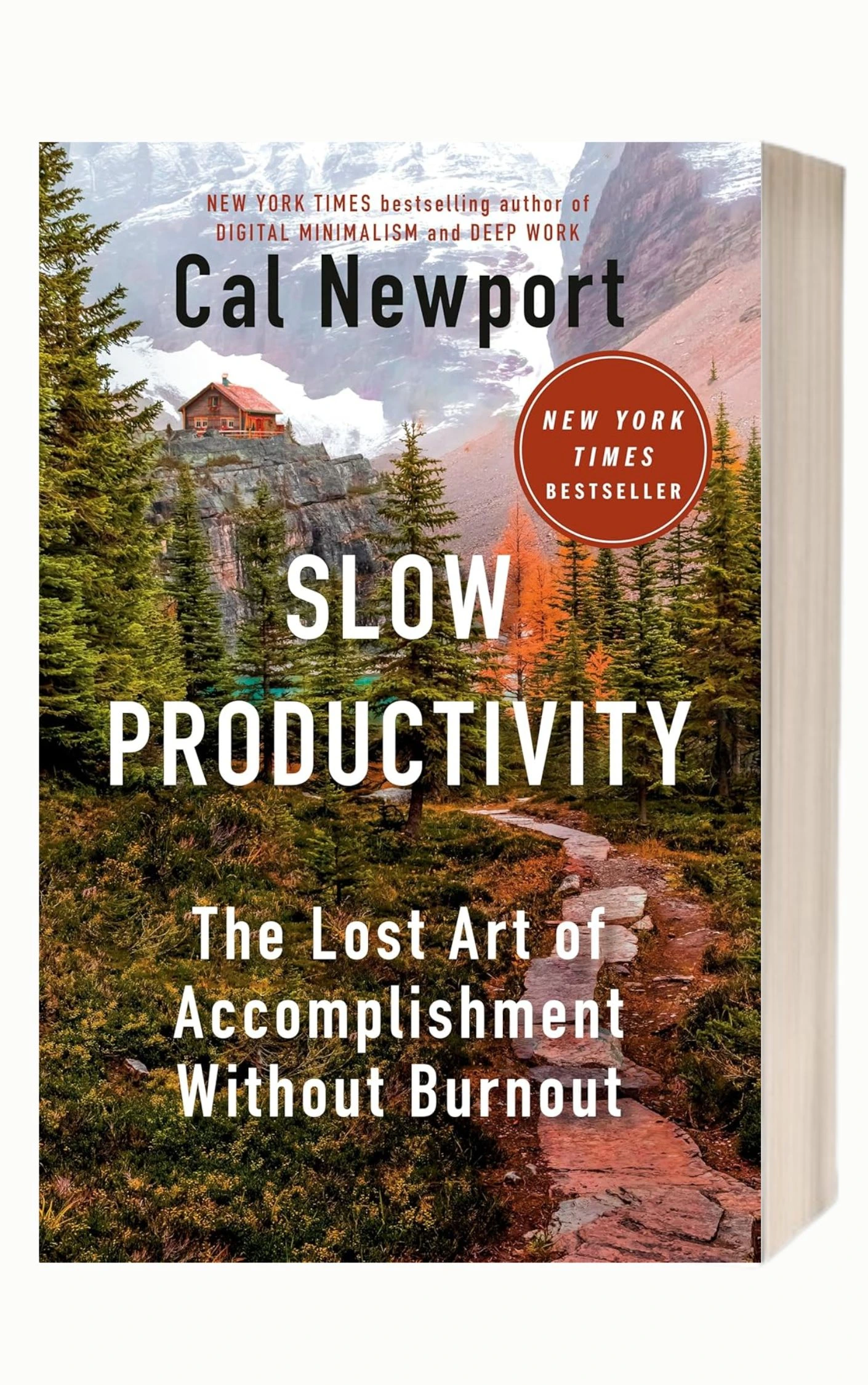
Slow Productivity by Cal Newport
This book challenges modern hustle culture by advocating for a calmer, more intentional way of working. Cal Newport argues that doing fewer tasks at a natural pace while obsessing over quality leads to deeper focus, better outcomes, and long-term professional satisfaction. It’s ideal for readers burned out by constant busyness.
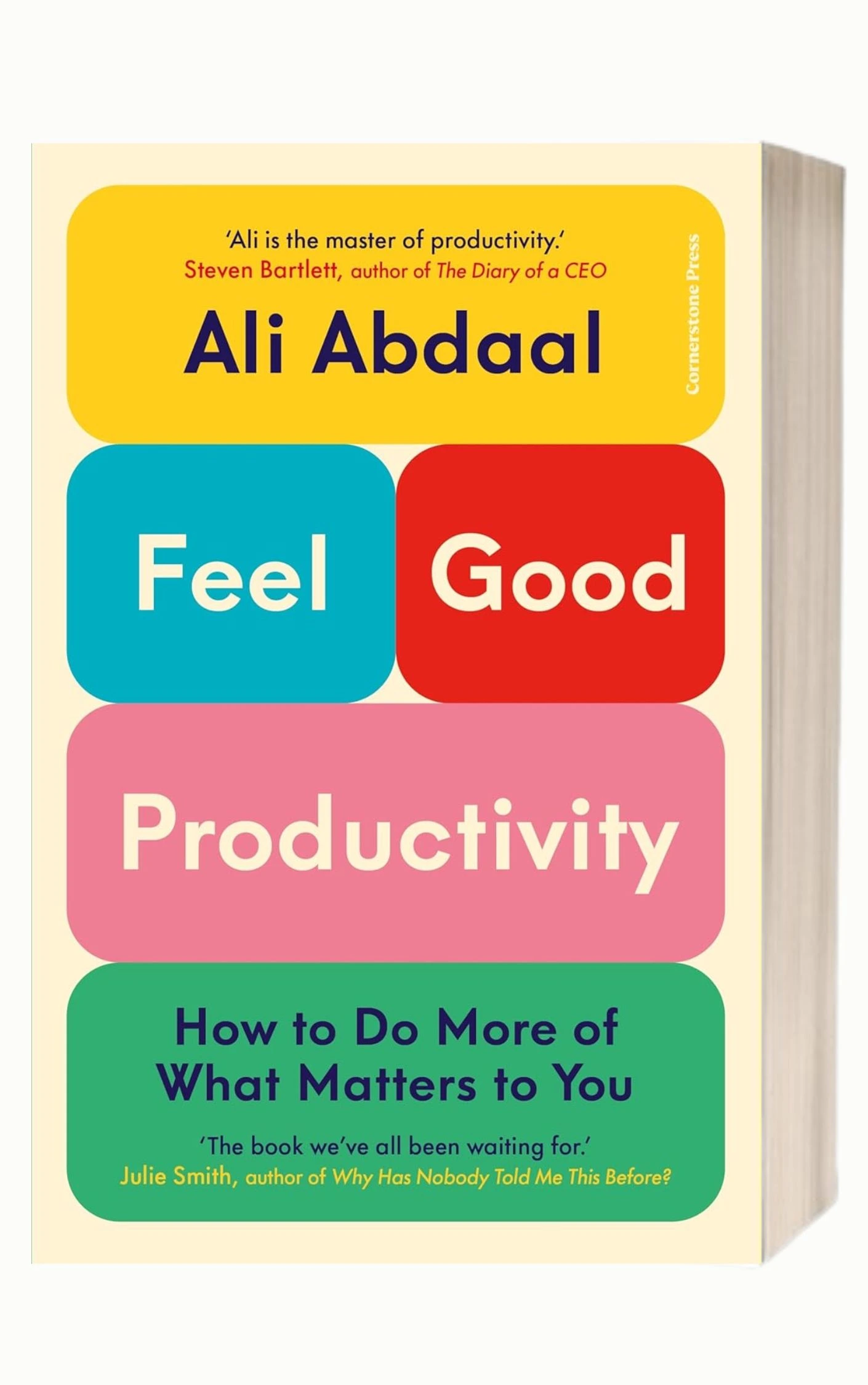
Feel-Good Productivity by Ali Abdaal
Ali Abdaal flips traditional productivity advice on its head, suggesting that enjoyment, not discipline, is the real driver of consistent output. Backed by psychology and personal experience, this book shows how aligning work with positive emotions can increase motivation, reduce stress, and help you achieve more without exhaustion.
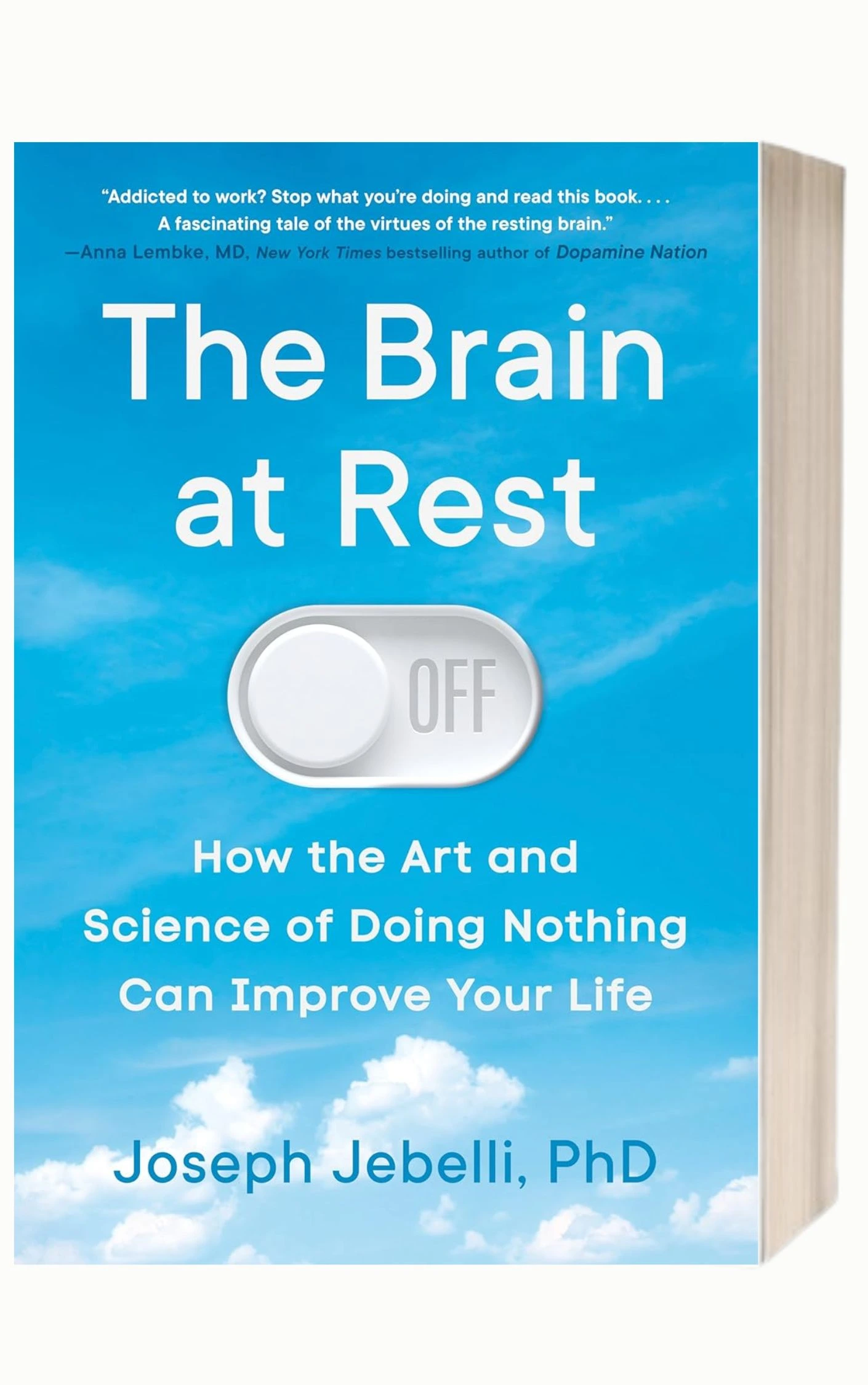
The Brain at Rest by Joseph Jebelli
Written by a neuroscientist, this book explores the science behind rest, boredom, and mental downtime. Jebelli reveals how periods of “doing nothing” activate the brain’s default mode network, improving creativity, memory, and problem-solving, making rest a critical but overlooked productivity tool.
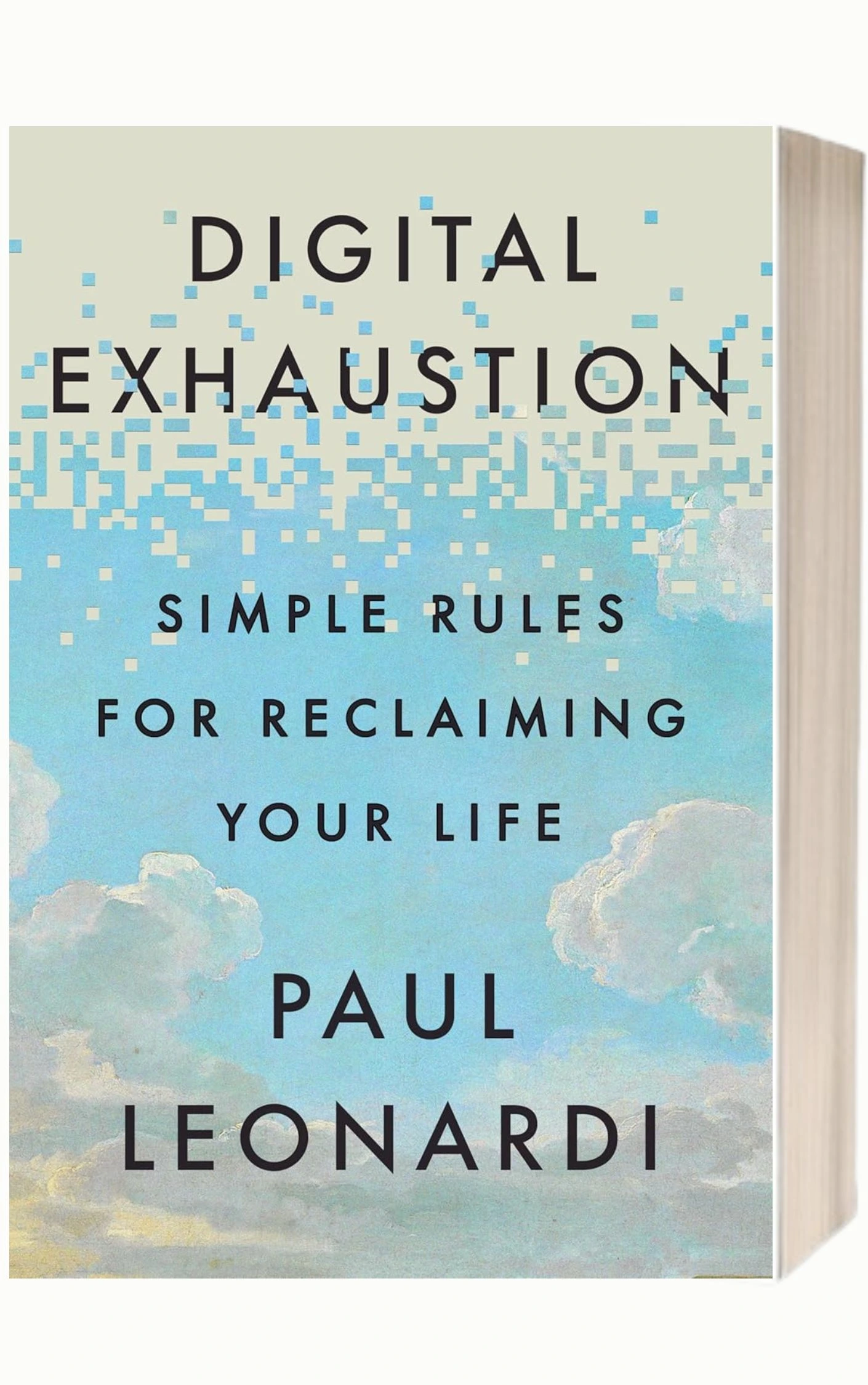
Digital Exhaustion by Paul Leonardi
This timely book examines how constant notifications, digital tools, and online collaboration silently drain mental energy. Leonardi provides research-backed rules for reducing interruptions, managing decision fatigue, and designing a healthier relationship with technology essential for modern professionals.
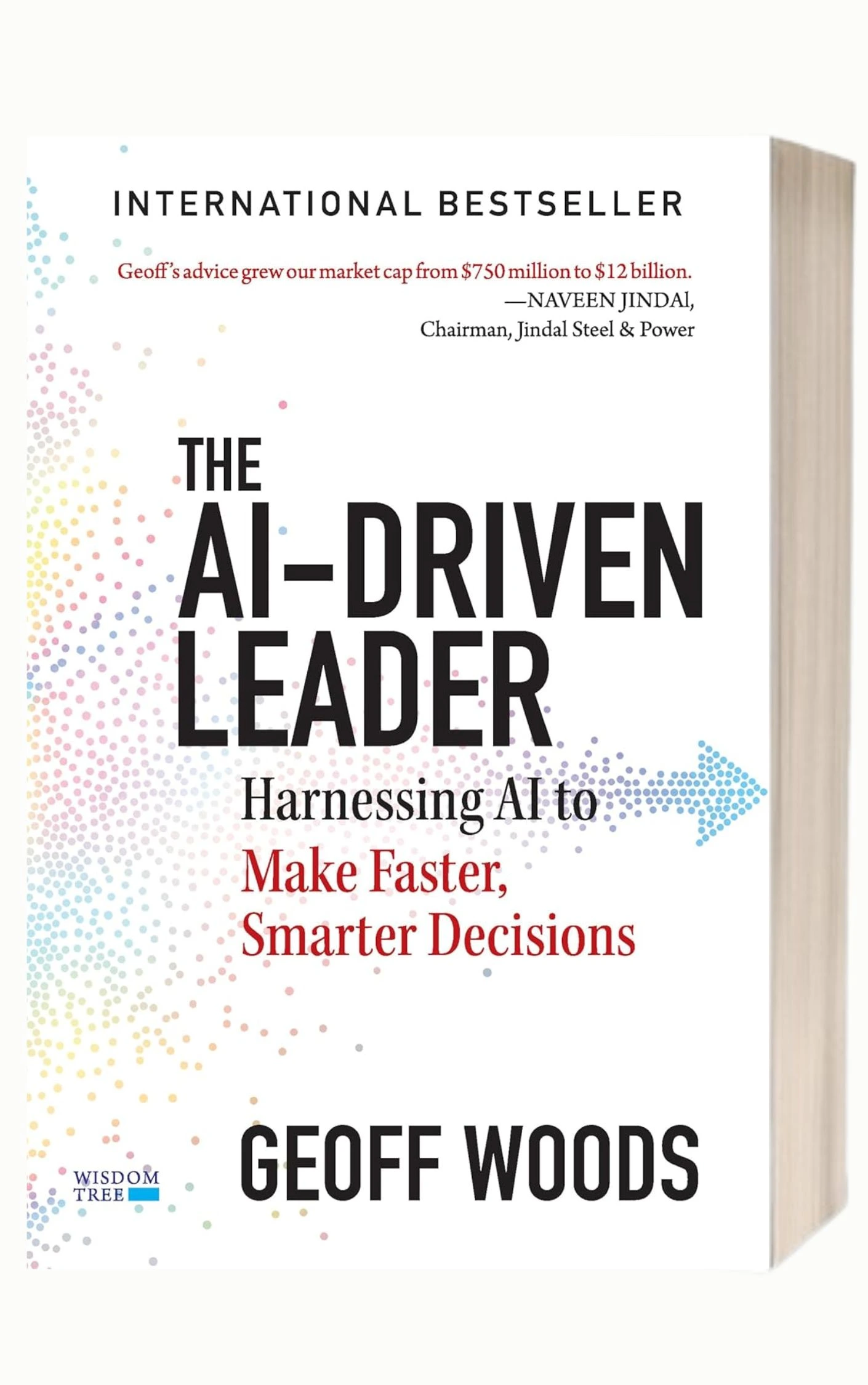
The AI-Driven Leader by Geoff Woods
Focused on the future of work, this book shows how leaders and knowledge workers can use AI strategically rather than reactively. Woods explains how AI tools can handle repetitive tasks, sharpen thinking, and free up time for creativity and high-impact decision-making without replacing human judgment.
What These Top Productivity Books Have in Common
The growing interest in productivity books isn’t just about working faster; it reflects a deeper shift in how readers seek balance, focus, and emotional clarity. Your site’s performance data clearly shows that readers are already engaging strongly with content rooted in inner growth, reflection, and meaningful thinking.
The Power of Your Subconscious Mind – Key Lessons and Master Your Emotions – Honest Review continues to attract consistent impressions, indicating that readers respond well to content that connects productivity with mindset rather than rigid routines.
Productivity Is Now About Inner Alignment
Search behavior increasingly favors content that explores how the mind works, not just what tools to use. Readers interested in literature, poetry, and emotional depth are also searching for ways to improve focus and discipline without losing creativity or burning out.
This explains why productivity books that emphasize:
- Mental clarity
- Emotional regulation
- Sustainable pace
are gaining more traction than traditional hustle-driven titles.
Why Readers of Books & Poetry Care About Productivity
Your top-performing pages covering poetry, literature, and emotional intelligence suggest that your audience values thoughtful reading experiences. Productivity, for this audience, is not about rigid schedules but about creating mental space to read, write, think, and reflect more deeply.
That’s why the top productivity books featured here align naturally with:
- Creative thinking
- Long-form reading habits
- Personal and emotional growth
Rather than pulling readers away from literature, these books support it by helping them reclaim attention in a distracted world.
Productivity for Readers, Writers, and Creative Minds
Productivity looks different for creative readers and writers than it does for task-driven professionals. Your site data clearly reflects that these pages, centered on poetry, literature, and emotional depth, consistently attract high impressions and engagement. This suggests that your audience values focus with feeling, not mechanical efficiency.
For creative minds, productivity isn’t about checking off endless tasks. It’s about protecting attention, nurturing ideas, and creating mental space for meaningful work.
Why Traditional Productivity Advice Often Fails Creatives
Many productivity systems are built for rigid schedules and predictable outputs. However, creative work like reading deeply or writing thoughtfully requires flexibility, emotional clarity, and uninterrupted focus.
This is why modern productivity books that emphasize:
- Slower, intentional work
- Emotional awareness
- Reduced digital noise
are resonating more strongly with today’s readers.
How the Right Productivity Book Enhances Creativity
The top productivity books don’t suppress creativity they support it. By helping readers manage distractions, emotional fatigue, and cognitive overload, these books allow creative energy to surface naturally.
When focus improves, reading becomes deeper, writing becomes smoother, and creative confidence grows, aligning perfectly with the interests reflected in your site’s most-visited literary and mindset-driven pages.
Final Thoughts – Productivity That Actually Works
Productivity doesn’t have to feel exhausting or mechanical. As readers increasingly turn toward books that explore mindset, emotions, and intentional living, it’s clear that the definition of productivity is evolving. The top productivity books today focus less on doing more and more and more on doing what truly matters.
Your audience’s reading patterns already reflect this shift. High engagement with literature, poetry, and introspective content shows a preference for depth over speed. The productivity books discussed in this guide align with that mindset, offering clarity, focus, and sustainable habits without sacrificing creativity or mental well-being.
Whether it’s slowing down, embracing rest, reducing digital overload, or using modern tools like AI thoughtfully, these books provide realistic frameworks that respect both productivity and humanity. When applied with patience and self-awareness, they don’t just improve output; they improve how you think, read, and create.
About Heartsaysalot
Let’s Connect with Heartsaysalot
Welcome to Heartsaysalot, a space where books, poetry, and emotions find a home.
Here, every word holds a heartbeat, every story stirs a feeling, and every poem speaks to the soul.
Whether you’re here to explore heartfelt writings, discover new reads, or find comfort in words that understand, you’re in the right place.
Let’s share stories, connect through emotions, and celebrate the beauty of books and expression.
Frequently Asked Questions About Top Productivity Books That Actually Work
Which Productivity Book Is Best for Beginners?
Feel-Good Productivity by Ali Abdaal is widely considered the best entry point for beginners. Unlike older productivity models that rely on strict discipline, this book uses a joy-first approach, helping readers build habits through curiosity, energy, and positive emotion rather than guilt or pressure.
Are AI-Focused Productivity Books Worth Reading?
Yes, but with an important caveat. Focus on books published late, such as The AI-Driven Leader. Older AI productivity titles often revolve around tools that are already outdated. The most effective new books emphasize prompt engineering, strategic delegation, and cognitive frameworks instead of simple app lists.
What Is the Most Effective Productivity Method for 2026?
Current trends suggest that Energy Management is overtaking traditional Time Management. Instead of filling every minute of your calendar, this approach, highlighted in The Brain at Rest, encourages scheduling tasks around natural energy peaks and incorporating strategic rest to maintain high cognitive performance.
Should I Prioritize Time Management or Energy Management?
Energy Management is widely considered superior. Rather than squeezing tasks into fixed hours, this approach focuses on identifying your biological peak times (your chronotype) and scheduling demanding creative work during those windows, reserving low-energy periods for routine tasks.